Thinking about selling your Highland Park home but not sure if you should fix it up first or sell as-is? You are not alone. In the Oakland–Hayward–Berkeley corridor, many homes are older and need some level of updating, which makes this choice feel high stakes. In this guide, you will learn what buyers value, realistic costs and timelines, ROI expectations, and how permits work locally so you can decide with confidence. Let’s dive in.
What makes Highland Park different
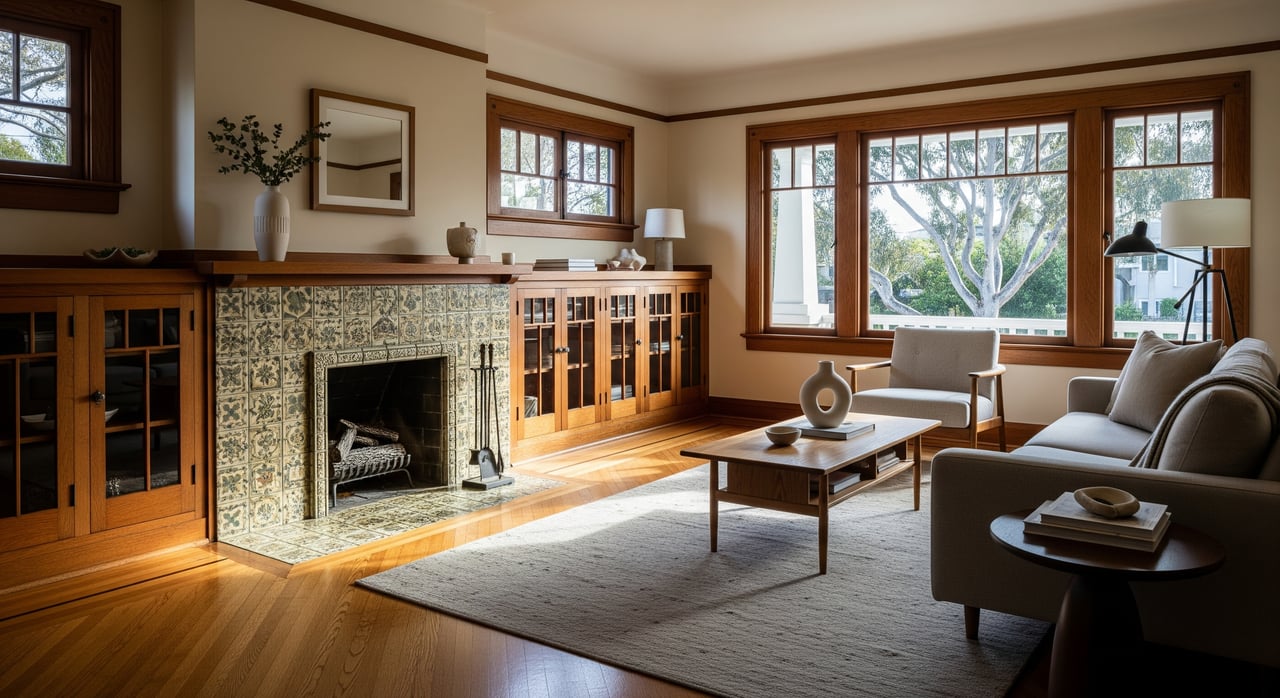
Highland Park and nearby East Bay neighborhoods have many early 20th century bungalows, mid-century homes, and small craftsman properties. These homes often have charm, along with older systems such as electrical, plumbing, and HVAC. Updates that improve function and light typically stand out.
Across the Bay Area, buyers pay premiums for move-in-ready homes, especially those with modern kitchens and baths, better natural light, good flow, and efficient systems. Since the post-2021 market shift, buyers are more selective in some price bands. When inventory is tight, clean and updated homes move quickly. When demand cools, buyers expect concessions for homes that need work. Your nearby comps and price range will determine if improvements pay off.
Option 1: Sell as-is fast
If speed and simplicity matter most, selling as-is can be effective.
- Scope: declutter, deep clean, address obvious safety issues, and do minor cosmetic fixes. No structural or system work.
- Typical pre-list cost: about $500 to $5,000 for cleaning, light repairs, photos, and a staging consult.
- Timeline: roughly 1 to 6 weeks to reach the market.
- Buyer pool: more investors, flippers, and buyers planning their own renovations. Fewer owner-occupants unless price reflects condition.
- Expected price impact: many sellers accept a 5 to 15 percent discount versus updated comps, depending on condition and demand.
Pros include speed, low upfront cost, and minimal risk. Cons include a smaller buyer pool, lower sale price, and potential negotiation around inspection findings.
Option 2: Do a light refresh
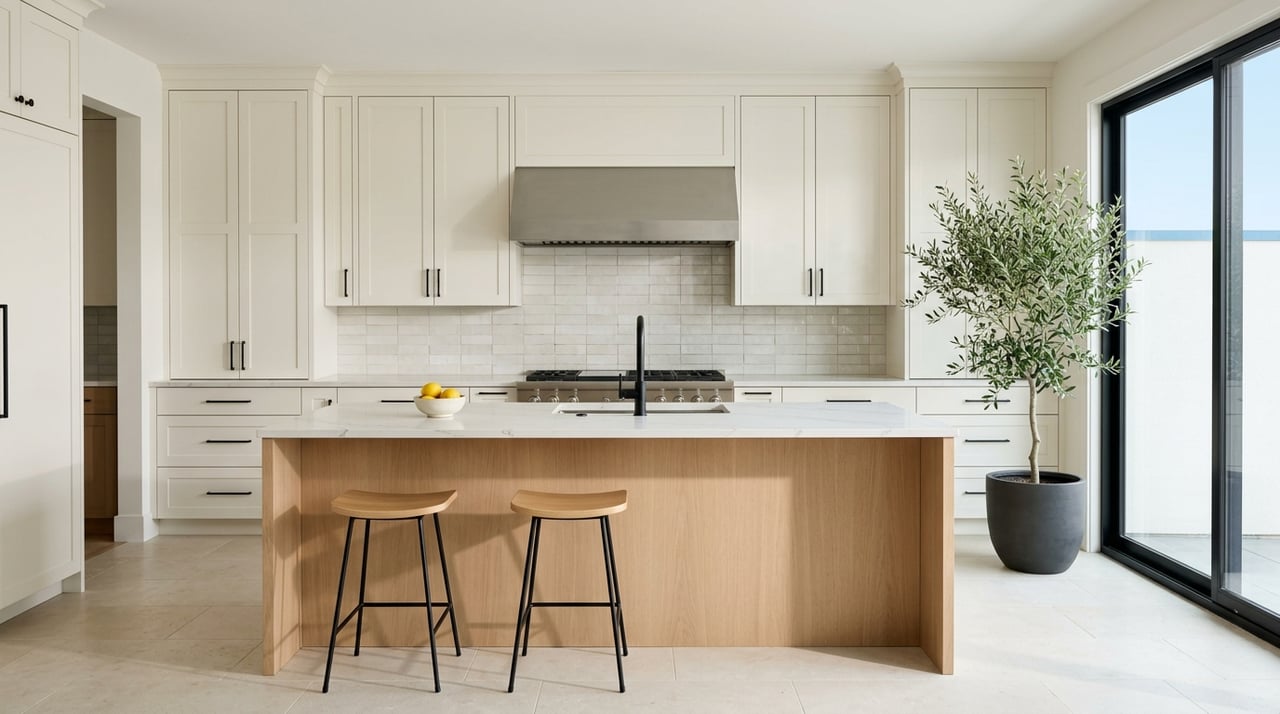
A targeted cosmetic refresh usually offers the best cost-to-impact ratio for Highland Park homes.
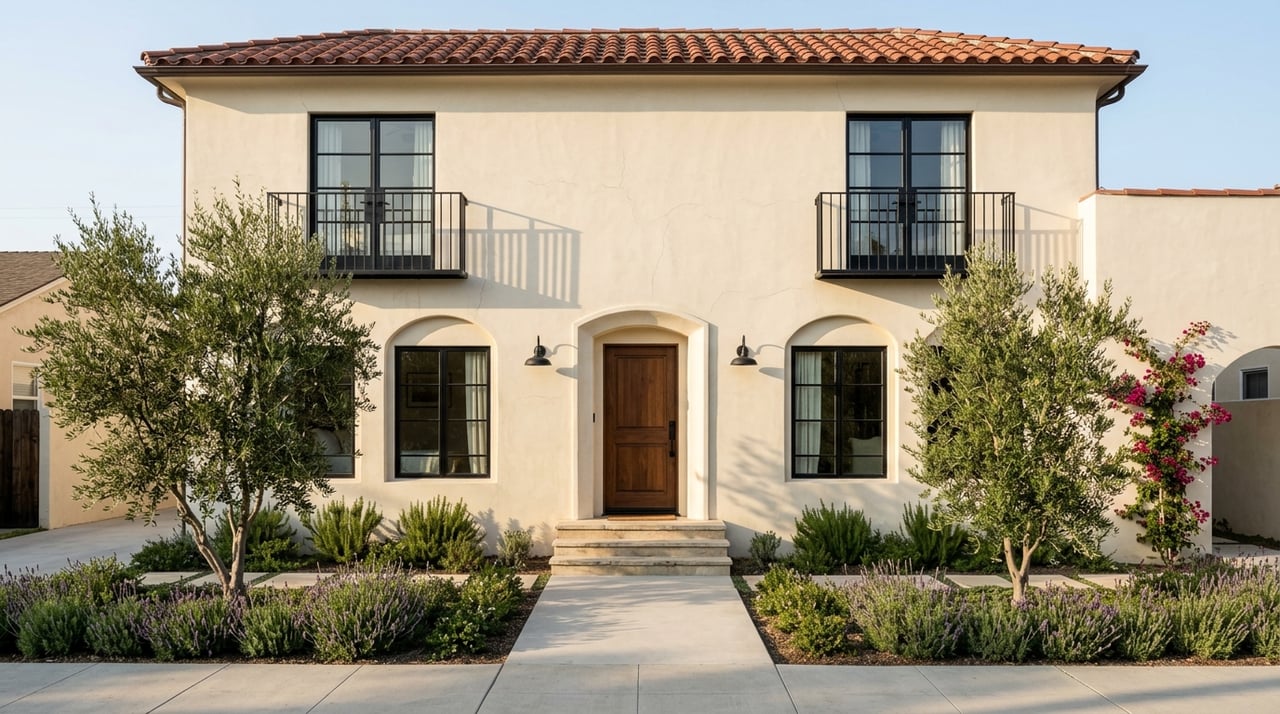
- Scope: interior paint, flooring updates or refinishing, kitchen facelifts such as painted cabinets and new hardware, simple countertop swaps where cost-effective, bathroom refreshes like regrouting and new vanities, updated lighting, curb appeal, and professional staging.
- Typical pre-list cost: about $5,000 to $50,000, with many projects in the $8,000 to $25,000 range.
- Timeline: about 2 to 8 weeks, depending on contractor availability.
- Permits: generally not needed for paint, floors, cabinet refacing, and similar cosmetic work. Electrical or plumbing changes and structural work require permits.
- Expected price impact: often boosts buyer interest and can lift price by about 3 to 10 percent, depending on starting condition and comps.
Pros include a larger buyer pool, a higher perceived value, and faster market movement. Cons include upfront costs, coordination, and the need to avoid over- or under-improving relative to local sales.
Option 3: Pre-sale renovation
A deeper renovation can help you reach a higher price band, but the ROI at sale is often partial.
- Scope: full kitchen remodel, one or more new bathrooms, systems upgrades like electrical panels or plumbing, opening walls, or adding permitted space.
- Typical pre-list cost: about $50,000 to $300,000 or more depending on scope and finishes.
- Timeline: roughly 2 to 6 months or longer for planning, permits, and construction.
- Permits: required for structural, electrical, plumbing, HVAC, and added square footage. Permit reviews and inspections can extend timelines.
- Expected price impact: sale price may rise meaningfully, but many major projects recover about 50 to 75 percent of costs at resale. Results vary by project type and buyer demand.
Pros include attracting more owner-occupant buyers and minimizing upgrade negotiations. Cons include capital needs, schedule and permit risk, cost overruns, and the risk of over-improving beyond neighborhood comps.
What buyers pay for in the East Bay
Bay Area buyers typically prioritize:
- Move-in ready condition with modern kitchens and baths
- Light, open layouts and durable finishes
- Updated mechanicals such as roof, HVAC, and electrical panels
- Energy efficiency and good ventilation
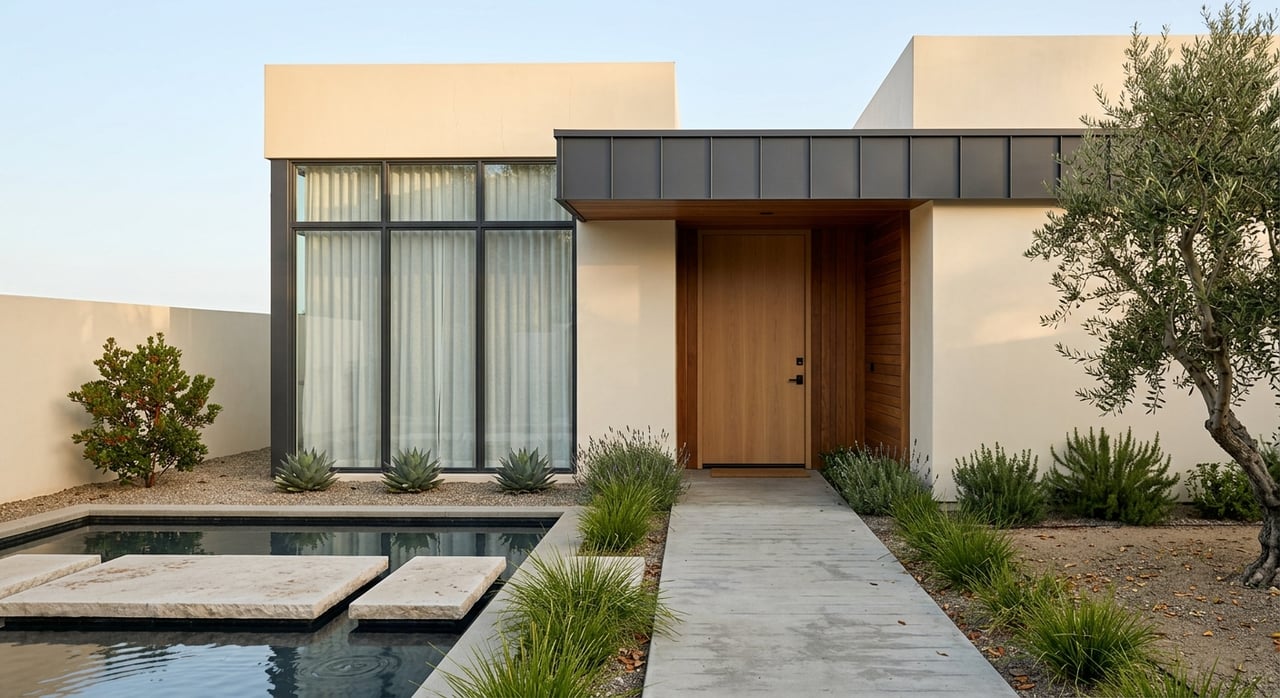
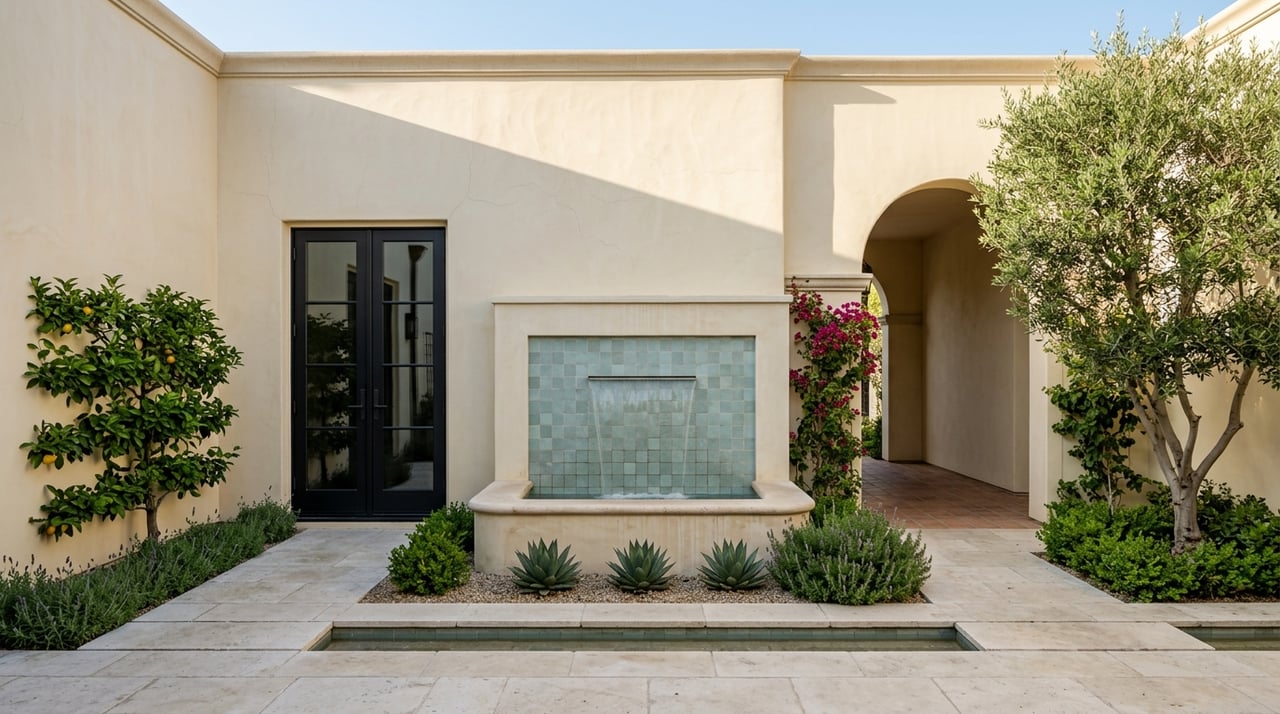
- Outdoor spaces and curb appeal that feel easy to maintain
If your home can meet these priorities with modest dollars and a short timeline, the market often rewards it.
Highland Park example numbers
Below are simple, hypothetical models to show how your net might vary by strategy. Numbers are examples and will vary by property and market conditions.
Example A — Sell as-is
- Updated comparable price baseline: $1,000,000
- As-is price at a 10 percent discount: $900,000
- Pre-list cost: $2,500
- Estimated commission at 6 percent: $54,000
- Other closing costs at 2 percent: $18,000
- Approximate net before mortgage payoff: $825,500
- Time to market: 2 to 6 weeks
Example B — Light refresh
- Pre-list cost: $25,000
- List price after refresh, 6 percent above as-is: $1,060,000
- Estimated commission at 6 percent: $63,600
- Other closing costs at 2 percent: $21,200
- Approximate net before mortgage payoff: $950,200
- Net lift versus as-is: about $124,700
- Time to market: 4 to 8 weeks
Example C — Major renovation
- Pre-list cost: $150,000
- List price at 12 percent above baseline: $1,120,000
- Estimated commission at 6 percent: $67,200
- Other closing costs at 2 percent: $22,400
- Approximate net before mortgage payoff: $880,400
- Net versus as-is: about $54,900 higher, but requires $150,000 and a longer timeline
- Time to market: 3 to 6 months or more
Takeaway: a focused cosmetic plan often delivers the best blend of speed, price, and certainty. Large renovations can lift gross price but may only recover part of the cost before resale.
Permits and timing in Oakland and Alameda
If your home is in the City of Oakland, the City of Alameda, or unincorporated Alameda County, permit rules differ by jurisdiction. Cosmetic finishes typically do not require permits. Structural changes, new electrical, plumbing, HVAC, or any added square footage usually do. Simple permits may be issued in weeks, while complex projects can require multiple months for plan checks and inspections. Unpermitted work discovered in escrow can delay closing, reduce buyer confidence, or trigger further inspections.
Before you start, confirm requirements with the appropriate building department and verify your contractor’s license and insurance. Building a small time buffer for permits and inspections can reduce stress later.
Decision checklist: pick your path
Use these questions to set strategy:
- What is the realistic sold price for fully updated homes on my block and in my price band?
- How fast do I need to close? Would a 2 to 8 week project fit my timeline?
- What is the condition of major systems such as roof, electrical panel, plumbing, and HVAC?
- Do I have funds, appetite for delays, and a contingency budget if surprises appear?
- Are local investor buyers active, and at what price levels for as-is purchases?
If you are considering updates before listing, take these steps:
- Request a local CMA to benchmark upside and avoid over-improving.
- Gather 2 to 3 contractor estimates with line-item budgets and recent examples. Confirm licensing and insurance.
- Ask the city building department what permits you need. Check if past owners did unpermitted work.
- Budget a contingency of 10 to 20 percent for small projects, and 15 to 30 percent for larger scopes.
- Add buffer time for permits and contractor scheduling.
- Consider a pre-listing inspection to surface major defects early.
To control costs and focus on value in Highland Park:
- Prioritize paint, flooring, kitchen surfaces, lighting, and curb appeal.
- Match finishes to neighborhood comps to avoid over-spending.
- Use partial or strategic staging and high-quality photography for a fast marketing lift.
Which path often wins
If your home has solid bones and mostly needs cosmetic help, a light refresh is often the sweet spot. It can expand your buyer pool, shorten market time, and meaningfully raise your net without permit complexity. If your systems are severely outdated or you aim for a higher price band, a larger renovation can work, but plan for longer timelines and partial cost recovery at resale.
Your best move comes down to three tradeoffs: speed, price, and risk. Align your approach with your timeline, the condition of your home, and what nearby comps support.
Next step
Not sure which path fits your goals? Bigtown’s in-house team can assess condition, estimate timelines, and model net proceeds for as-is versus refresh or renovation. Schedule a strategy call with Richard Evanns for a no-obligation scope review tailored to your Highland Park home.
FAQs
What does selling as-is mean in California?
- You list the home in its current condition with minimal pre-sale work, still disclose known issues, and typically price below updated comps to reflect needed repairs.
How much does a light refresh cost in Highland Park?
- Many cosmetic refreshes fall between about $8,000 and $25,000, though the broader range is roughly $5,000 to $50,000 depending on size and scope.
Do I need permits for cosmetic updates in Oakland or Alameda?
- Paint, flooring, and cabinet facelifts usually do not require permits, while structural changes or any new electrical, plumbing, or HVAC work typically do.
Will a major renovation pay for itself before sale?
- Often not fully, since many large projects recover about 50 to 75 percent of costs at resale, though they can raise gross price and broaden the buyer pool.
How long will it take to list if I renovate first?
- A light refresh often takes about 2 to 8 weeks, while deeper renovations with permits can take 2 to 6 months or more.
Should I order a seller inspection before listing in the East Bay?
- It can be smart, since a pre-listing inspection may surface major defects early, help avoid escrow delays, and allow you to prioritize cost-effective fixes.