Condo Vs. House In Los Feliz: Which Fits You?
January 15, 2026
January 15, 2026
Trying to decide between a condo and a house in Los Feliz? You’re not alone. This neighborhood offers everything from hillside homes with views to low-rise condos a short walk from coffee and groceries. The right choice comes down to how you want to live, what costs you prefer, and how much control you want over maintenance and renovations. In this guide, you’ll get a simple framework to compare true monthly costs, HOA rules, long-term value, and lifestyle trade-offs specific to Los Feliz so you can move forward with confidence. Let’s dive in.
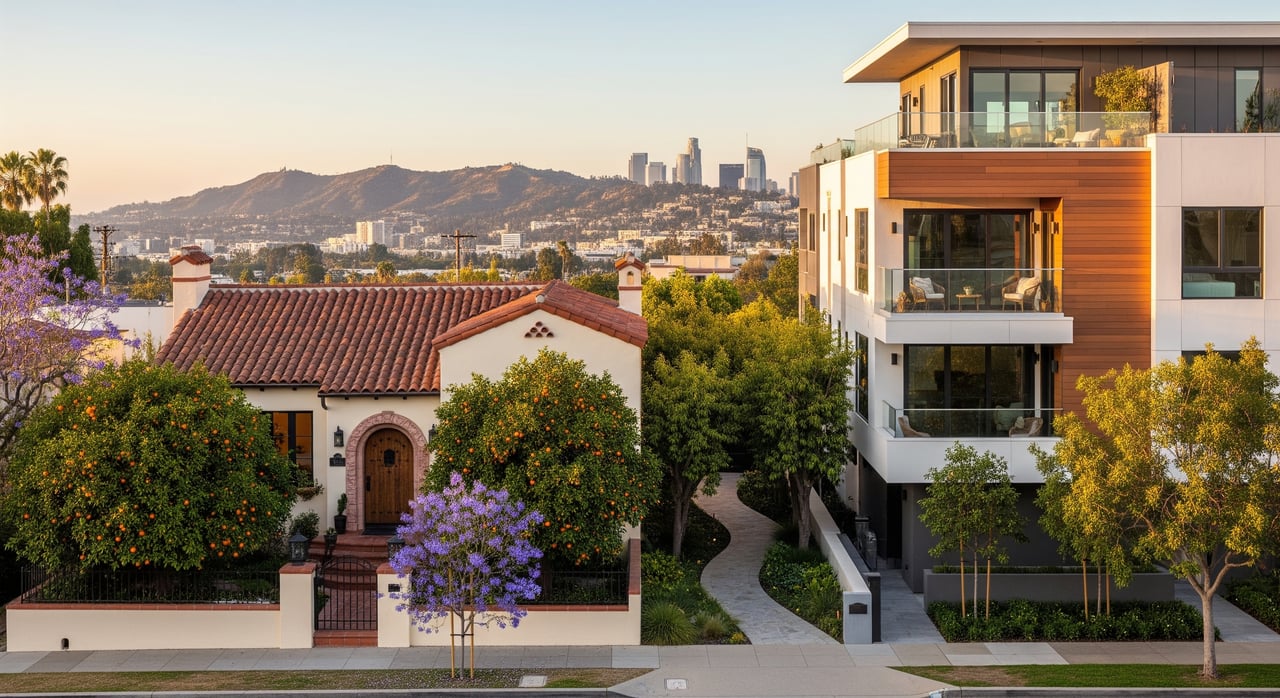
Los Feliz splits into two broad areas: the flatter Village corridor near Vermont and Los Feliz Boulevard, and the hills closer to Griffith Park. You’ll find older and boutique condo buildings near shops and transit, and a range of single-family homes in the hills, including historic and mid-century properties.
Prices and condition vary block to block. Views, lot slope, and proximity to retail or Griffith Park affect what you pay. Condos tend to offer lower-maintenance living and walkability. Houses offer land, privacy, and more control over improvements.
Before you choose, build a side-by-side monthly worksheet for a condo and a single-family residence using actual listing data. Include these components:
Tip: Use real numbers from listings and HOA documents. Add a line for “maintenance reserve” to your monthly plan whether you buy a condo or a house.
If you’re considering a condo, the health of the HOA matters as much as the unit.
Request the CC&Rs, bylaws, budget, reserve study, audited financials, meeting minutes, and delinquency rates. Look for strong reserve funding, no operating deficits, and a clear plan for major repairs. A low reserve balance or frequent deficits often signal future special assessments.
Confirm what the master policy actually covers. “Bare walls” versus “all-in” coverage changes how much your HO-6 must cover for fixtures and finishes. Clarify earthquake coverage and owner responsibility for assessments after a seismic event.
Review pet policies, remodeling rules, leasing caps or minimum lease terms, short-term rental restrictions, smoking policies, and parking allocation. These rules affect your day-to-day living and future resale.
Higher owner-occupancy ratios often make financing easier and can support resale stability. If you need FHA, VA, or conventional loans that require project approval, check status early to avoid surprises.
Older buildings may require seismic retrofits or structural work. Look for roof age, façade condition, common plumbing, elevator maintenance, and any history of water intrusion or termite activity.
Condos can face additional lender scrutiny, including project approvals and reserve standards. Some projects may require higher down payments or tighter debt-to-income thresholds. Confirm with your lender at the start of your search.
A sale triggers reassessment to market value under Proposition 13. Expect a base rate around 1% plus local assessments, and watch for supplemental tax bills in the months after closing.
The City of Los Angeles maintains a Rent Stabilization Ordinance that applies to certain multi-family buildings. Investor buyers should verify whether a building is subject to these rules and how they affect leasing and tenant protections. Most single-family homes are not under the city’s RSO unless they are part of multi-family use.
Single-family homes generally have broader appreciation drivers. Land value growth, flexibility to add square footage, and fewer financing limits for future buyers can support long-term gains. Condos can appreciate well in walkable, high-demand locations, but they may lag houses in some cycles. Project health, owner-occupancy, and special assessment history all influence condo resale.
Liquidity also differs. SFRs often attract a wider buyer pool. Condos can be sensitive to lending standards or HOA rule changes. In Los Feliz, scarcity of detached homes near the Village and Griffith Park supports house pricing, while newer or well-maintained condos compete strongly for buyers who value access and lower maintenance.
Condos near Vermont and Los Feliz corridors often deliver strong walkability to everyday needs. Houses in the hills typically offer quieter streets and privacy, though errands may require driving.
Houses usually come with private yards and more separation from neighbors. Condos may offer balconies or shared courtyards, with limited private outdoor space.
Parking varies by block across Los Feliz. Many condos include dedicated spaces but may limit guest parking. Hillside homes can have narrow driveways and limited off-street options. Plan for deliveries and guests.
Condos may provide controlled access and onsite staff in some buildings, with the tradeoff of closer neighbors. Houses offer greater separation but street noise or nearby nightlife can vary by micro-location.
Use this to identify what matters most.
Outcome guidance: If you prioritize low external maintenance, walkability, and security and are comfortable with HOA governance, a condo may fit. If you prioritize private outdoor space, renovation flexibility, and exposure to land-driven appreciation, a house may fit.
Give each category a score from 1 to 5 for how important it is to you, then note which property type wins that category for your needs.
Add up which column wins more categories. This will point you toward a starting path. Then test your result with real listings and actual HOA documents.
If you’re leaning condo, pull HOA documents early and confirm financing eligibility with your lender. If you’re leaning house, line up targeted inspections suited to hillside or older properties. Either way, compare your top two or three choices with the monthly-cost worksheet and the scoring exercise above.
Want a structured, numbers-first discussion that factors in legal and operational risk? Schedule a strategy call with Richard Evanns to map real Los Feliz listings against your checklist, review HOA health where relevant, and outline inspections tailored to the property type.
Stay up to date on the latest real estate trends.





Work with a professional who understands the rhythm of Los Angeles real estate. Richard brings dedication, strategy, and vision to help you achieve your property goals.