Los Feliz Luxury Homes: Design, Upkeep And Resale Value
June 18, 2026
June 18, 2026
Luxury in Los Feliz is not just about square footage or a big renovation budget. In this part of Los Angeles, value often comes from something harder to duplicate: architectural pedigree, hillside setting, and a home that feels tied to its site. If you are buying, owning, or preparing to sell in Los Feliz, it helps to understand how design choices, upkeep demands, and resale performance connect. Let’s dive in.
Los Feliz sits within the Hollywood Community Plan area, and its upper-end housing is shaped by sloping lots, historic architecture, and view-oriented parcels rather than large amounts of standardized new construction. That alone makes the neighborhood different from many luxury markets where newer inventory sets the tone.
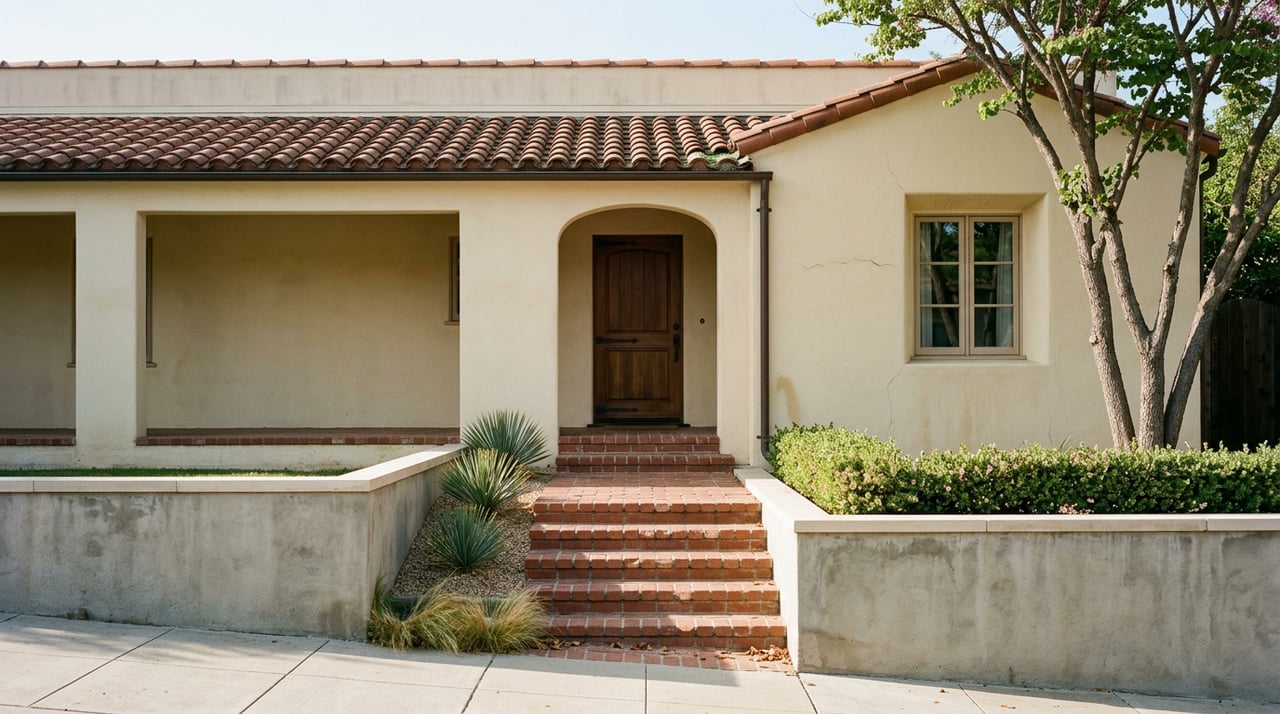
A strong example is the Los Feliz Heights Residential Historic District. City planning describes it as a 317-property collection of highly intact Period Revival homes built from 1920 to 1949 on the south-facing slope of Mt. Hollywood, with irregular sloping sites, mature vegetation, and some expansive city views. The district also includes work by noted architects such as Paul R. Williams, Wallace Neff, Gordon Kaufmann, Milton J. Black, and Morgan Walls & Clements.
That architectural depth shapes buyer behavior. In Los Feliz, many luxury buyers are not only paying for finishes or size. They are also paying for scarcity, authenticity, and a property that feels difficult to replace.
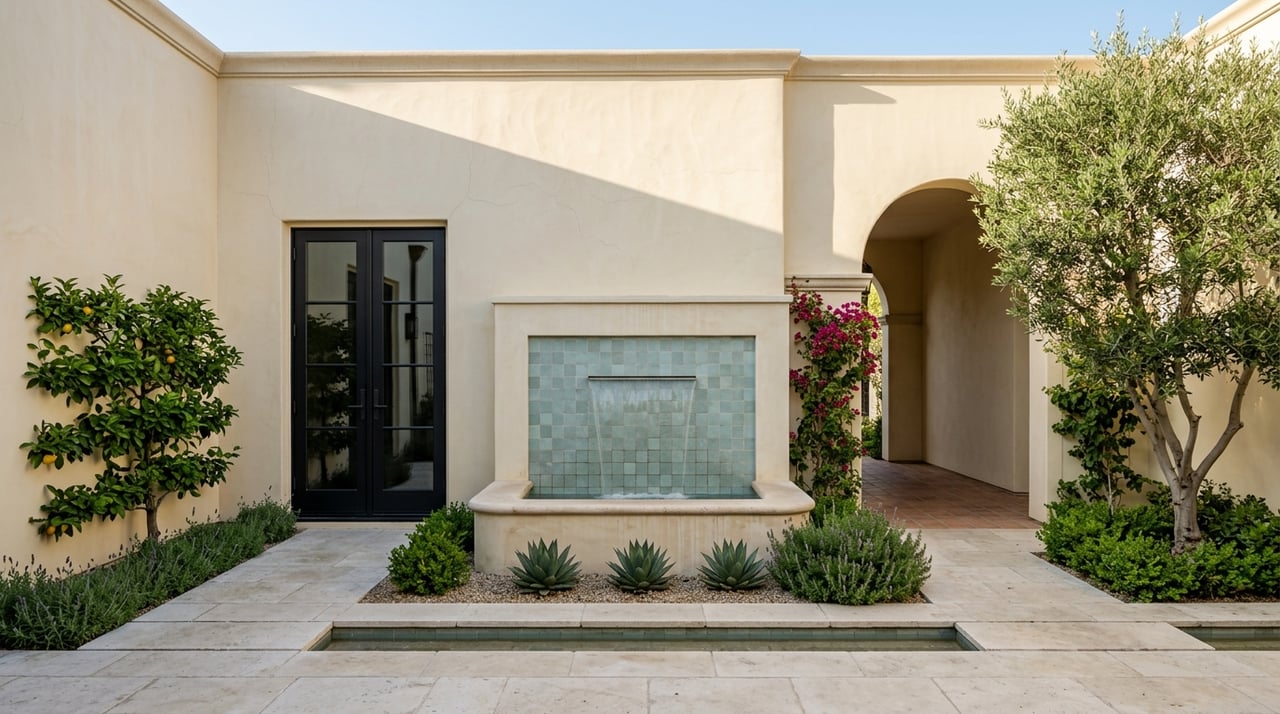
In Los Feliz, design value often starts with a home’s architectural story. Period Revival facades, architect-designed modernism, and details that reflect the original character of the property tend to carry real weight with buyers.
The city’s historic inventory treats architecturally and culturally significant places as resources worth documenting and protecting. That helps explain why preserved original details and thoughtful updates often matter more here than generic luxury upgrades.
A luxury home in Los Feliz is also judged by how well it fits its lot. In the hillside areas, orientation, tree canopy, street presence, and the way the house relates to the slope can affect appeal almost as much as the interior itself.
The Los Feliz Heights district description points to curving streets, sloping sites, mature landscaping, and city views created by the Mt. Hollywood hillside. For you as a buyer or seller, that means site quality is part of the design package, not a separate issue.
View lots carry extra importance in Los Feliz because the terrain creates a large share of the value. A home with a strong outlook, good privacy, and a lot that still reads as special from the street can stand out in a lasting way.
For resale, the strongest properties are often the ones with low visual compromise. That usually means preserved original elements, additions that feel sympathetic to the home, and exterior presentation that respects the architecture instead of overpowering it.
Not every expensive remodel improves a Los Feliz luxury property the same way. In this neighborhood, long-term appeal often comes from choices that respect the house and the site.
Here are the features that tend to age well:
If you are planning improvements before a sale, this is where strategy matters. A polished but generic upgrade may photograph well, but a design approach that protects architectural integrity often does more for credibility and value in Los Feliz.
Luxury ownership in Los Feliz can come with more complexity than buyers expect at first glance. The appeal is real, but so are the carrying costs and review requirements tied to historic and hillside properties.
If your property is a designated historic resource or sits inside a local historic district, exterior work may require extra review. According to the City of Los Angeles, exterior renovations, additions, new construction, and even some landscaping or paint changes in a local historic district can be subject to planning approval and or HPOZ board review.
The city also notes that work completed without review can lead to enforcement action and fines. For owners, that means maintenance and design decisions should be approached carefully, especially before you commit to visible exterior changes.
Some historic owners may benefit from the Mills Act, which Los Angeles identifies as its primary financial incentive for historic preservation. The contract transfers with a sale, but it comes with rehabilitation and restoration commitments.
That matters because tax relief is only part of the story. The city currently says new Mills Act applications are on hold while the program is being updated, so you should not assume a future property will be easy to enroll.
Hillside houses can also require higher site-related spending. Los Angeles has retaining-wall rules for hillside areas that limit wall height, require landscaping or separation in some cases, and send taller walls to zoning-administrator review.
The city’s own report notes that retaining walls are often used to create more flat buildable area on steep lots and can be expensive to build. If you are comparing homes, the site itself may represent a major future cost center, even when the house appears turnkey.
Parts of Los Feliz fall within the Very High Fire Hazard Severity Zone. The Los Angeles Fire Department says owners in those areas must maintain year-round brush clearance within 200 feet of structures and 10 feet of roadways or combustible fences, along with roof and tree-clearance standards.
Insurance is another practical issue. The California Department of Insurance says homeowners who cannot obtain standard-market coverage may need the FAIR Plan, which offers limited fire-related coverage, and insurers must offer wildfire-mitigation discounts ranging from 4% to 40% for qualifying actions.
Resale strength in Los Feliz is usually tied to one core idea: irreplaceability. Historic architecture, landmark-level design heritage, and hillside parcels with views are difficult to reproduce, and that scarcity can support pricing even when the broader market feels more balanced.
Recent market data shows that the neighborhood continues to command premium pricing with real liquidity. Redfin reports a median sale price of $1,948,844 in May 2026, average days on market of 41, and a sale-to-list ratio of 102.8%. Recent sales also included properties at $3.322 million and $6.75 million.
Those numbers suggest buyers are still willing to compete for the right property. In practical terms, well-located and well-presented homes with distinctive design or strong views can still attract serious demand.
When you look closely at Los Feliz luxury resale, three factors usually do the heavy lifting.
Homes with a clear design identity often hold attention better than homes that feel interchangeable. That can mean a Period Revival home with preserved details, an architect-designed residence, or a property with recognized design significance.
Los Feliz has landmark-level examples that reinforce this point. Hollyhock House was Frank Lloyd Wright’s first Los Angeles commission and is now a UNESCO World Heritage Site, while the Samuel-Novarro Residence was designed by Lloyd Wright in 1928. That kind of local design history helps explain why buyers often assign value to provenance, not just finishes.
A strong lot can do as much for value as the home itself. In Los Feliz, that often means slope, privacy, orientation, landscaping, street approach, and the quality of the view experience.
Because many parcels are irregular and hillside-oriented, site quality is not always easy to replicate. That scarcity can create a meaningful resale advantage when the house and the lot work together.
A beautiful house can still face resale headwinds if ownership looks complicated. Historic-review obligations, unresolved site issues, expensive retaining-wall needs, fire-clearance demands, or insurance friction can narrow the buyer pool.
In contrast, homes that combine strong design with easier ownership, better documentation, and fewer unresolved property issues tend to be more broadly marketable. In a premium price range, clarity often supports confidence.
Not every weakness shows up in photos or open houses. In Los Feliz, some of the biggest resale drags are tied to friction behind the scenes.
Common issues that can weaken value include:
These issues do not automatically make a home undesirable. They simply affect who will buy, how confidently they will move, and what premium they are willing to pay.
If you are buying or selling at the upper end of Los Feliz, it helps to think in a three-part framework: architecture, site, and friction. That is often a better lens than price per square foot alone.
Use questions like these when evaluating a property:
This kind of review helps you see the difference between a home that looks impressive today and one that is likely to remain defensible at resale.
In Los Feliz, luxury value is rarely one-dimensional. A premium sale price usually reflects a mix of design credibility, site quality, and manageable ownership demands.
That is why careful positioning matters. If you are buying, you want to understand the tradeoffs before you inherit them. If you are selling, you want to present the home in a way that highlights architectural value, addresses obvious friction points, and gives buyers confidence in the asset.
For high-stakes homes, generic advice is rarely enough. If you want a sharper read on how design, upkeep, and resale factors affect a specific Los Feliz property, Richard Evanns can help you evaluate the opportunity and build a strategy around the details.
Stay up to date on the latest real estate trends.

Work with a professional who understands the rhythm of Los Angeles real estate. Richard brings dedication, strategy, and vision to help you achieve your property goals.