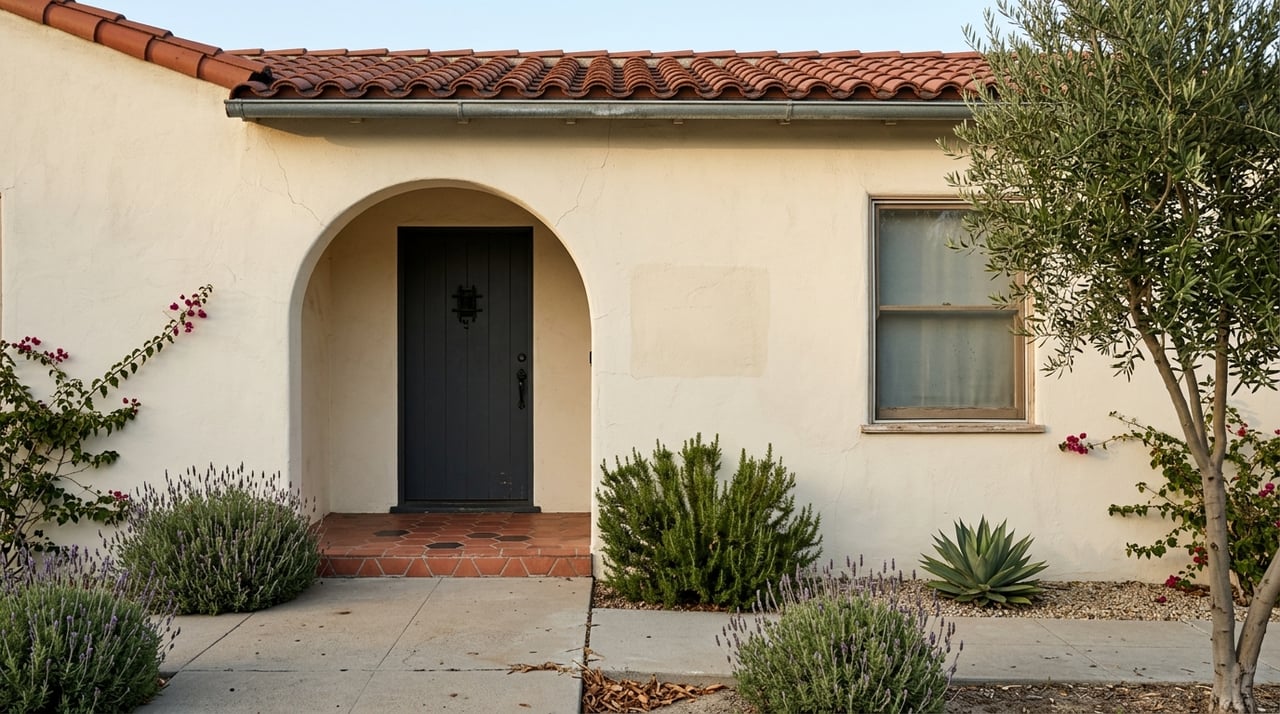
Buying A Fixer In Highland Park Without Overpaying
May 28, 2026
May 28, 2026
Thinking about buying a fixer in Highland Park because it looks like your best shot at value? You are not alone, and in a market tied to Oakland’s high home values, the wrong “deal” can get expensive fast. If you are trying to buy smart, the key is to look past fresh paint and into the systems, permits, and compliance issues that actually shape your total cost. Let’s dive in.
A fixer is not automatically a bargain just because it needs work. In Oakland, the median value for owner-occupied homes is $929,900, which means even modest pricing mistakes can have a big financial impact.
That is why your offer should be based on verifiable after-repair value, real repair costs, and any compliance risks tied to the property. Cosmetic appeal matters far less than whether the house has solid bones, clear records, and manageable renovation needs.
Highland Park sits within Oakland, and older Oakland homes often come with a more complicated paper trail. The City of Oakland says permit records begin in late 1905, and later records may be spread across online files, microfiche, and archival sources.
That matters because a home can look updated while still having additions, remodels, or system changes that are not easy to verify. If you assume a property is a light fixer without checking the history, you can overpay before you even start the renovation.
Before you price a fixer, pull permit history as early as possible. If an old addition, garage conversion, or remodel cannot be verified, you may be buying more uncertainty than you planned for.
For a buyer, that uncertainty should affect both your risk tolerance and your offer price. A house with a clean, traceable record is often easier to underwrite than one with visible updates and unclear approvals.
Oakland also notes that historic properties and preservation districts can be subject to preservation rules. In some cases, qualifying historic owners may also be eligible for Mills Act tax relief.
For you, the takeaway is simple: historic status is not just a label. It can affect review, timing, and the scope of work you can complete, so it should be part of your pre-offer diligence.
If you want to avoid overpaying, spend your diligence dollars on the items that can change your budget the most. In older homes, the biggest risks are usually not finishes. They are the structural and system issues hidden behind them.
Start with the foundation and crawl space. Sloping floors, cracks, and signs of water intrusion can point to larger structural issues that need expert review.
Current benchmark data puts average foundation repair at $5,173, with a typical range of $2,225 to $8,133. Piering or underpinning often runs $1,000 to $3,000 per pier, which can quickly move a project from manageable to expensive.
If you see warning signs, a structural engineer review is usually worth the money before you start thinking about finishes or layout changes.
Roof problems are another major budget item in older homes. A patchy roof may not look urgent during a showing, but water intrusion can lead to damage far beyond the roof itself.
Current benchmark data shows average roof replacement at $9,543, with most projects falling between $5,892 and $13,276. That makes roof condition a real pricing factor, not a cosmetic footnote.
In Oakland, sewer lateral diligence deserves special attention. The city requires a Sewer Lateral Permit for private sewer lateral inspections, and inspection requests must be made at least 48 hours in advance.
EBMUD states that a Compliance Certificate is required when buying or selling property, when building or remodeling in excess of $100,000, or when changing meter size. If the certificate cannot be completed before transfer, a Time Extension Certificate can add 180 days with a $4,500 refundable deposit.
That issue can become financially important fast. Current benchmark data shows average sewer-line replacement at $3,319, with a typical range of $1,388 to $5,323.
If the home was built before 1978, treat lead as a serious diligence item. The EPA says homes built before 1978 are more likely to contain lead-based paint, including 87% of homes built before 1940 and 24% of homes built from 1960 to 1978.
Sellers of most pre-1978 housing must provide lead disclosures and known records before contract. If renovation work will disturb painted surfaces, lead-safe rules can affect both your scope and your cost.
A smart approach is to treat suspected lead as a testing issue, not a DIY assumption. A lead-based paint inspection identifies whether lead is present and where, while a risk assessment looks at current hazards.
One of the biggest mistakes fixer buyers make is confusing a lower purchase price with real value. A home only makes sense if the total cost still works after repairs, carrying costs, and compliance items are added.
Using current benchmark averages, roof replacement, foundation repair, and sewer-line replacement together total about $18,035 before you even get to electrical work, permits, finish carpentry, or other updates. That means the “discount” can disappear quickly if the major systems are not sound.
Fresh paint, new flooring, and good staging can make a home feel closer to move-in ready than it really is. But the market usually does not reward cosmetic improvements if the roof, sewer, foundation, or lead-safe scope remains unresolved.
The safer opportunity is often the house where the value gap comes from visible updating needs, not hidden structural or compliance risk. In plain terms, outdated can be workable. Unknown can be expensive.
When you decide what to offer, compare the property’s all-in cost against nearby renovated sales, not against the seller’s presentation. Your goal is to estimate what the home will cost you to buy, repair, and bring into a cleaner compliance position.
That is where disciplined analysis matters. You want to separate what is inconvenient from what is costly, and what is cosmetic from what can materially change your budget or timeline.
Before writing an offer, pressure-test these questions:
If the answers are incomplete, your price should reflect that uncertainty. Paying a premium for a fixer only makes sense when the risks are narrow and well-defined.
Before you write the offer, make sure you have covered the basics that most directly affect value in Highland Park and Oakland:
This kind of prep may feel like extra work up front, but it is usually cheaper than discovering major issues after closing.
A fixer can absolutely be a smart buy in Highland Park. The best candidates are usually homes with clear records, manageable system issues, and a realistic path from current condition to improved value.
If inspection results show mostly cosmetic work, no major unresolved sewer issue, no major structural surprises, and no hidden compliance obstacles, you may have a property that supports a confident offer. If several major systems are in play at once, the better move may be to renegotiate hard or walk away.
At Bigtown Homes, this is exactly how we look at value-add opportunities: with disciplined pricing, contract clarity, and a practical view of renovation risk. If you want help evaluating a fixer with an investor mindset and careful negotiation strategy, Richard Evanns can help you pressure-test the numbers before you commit.
Stay up to date on the latest real estate trends.



Work with a professional who understands the rhythm of Los Angeles real estate. Richard brings dedication, strategy, and vision to help you achieve your property goals.