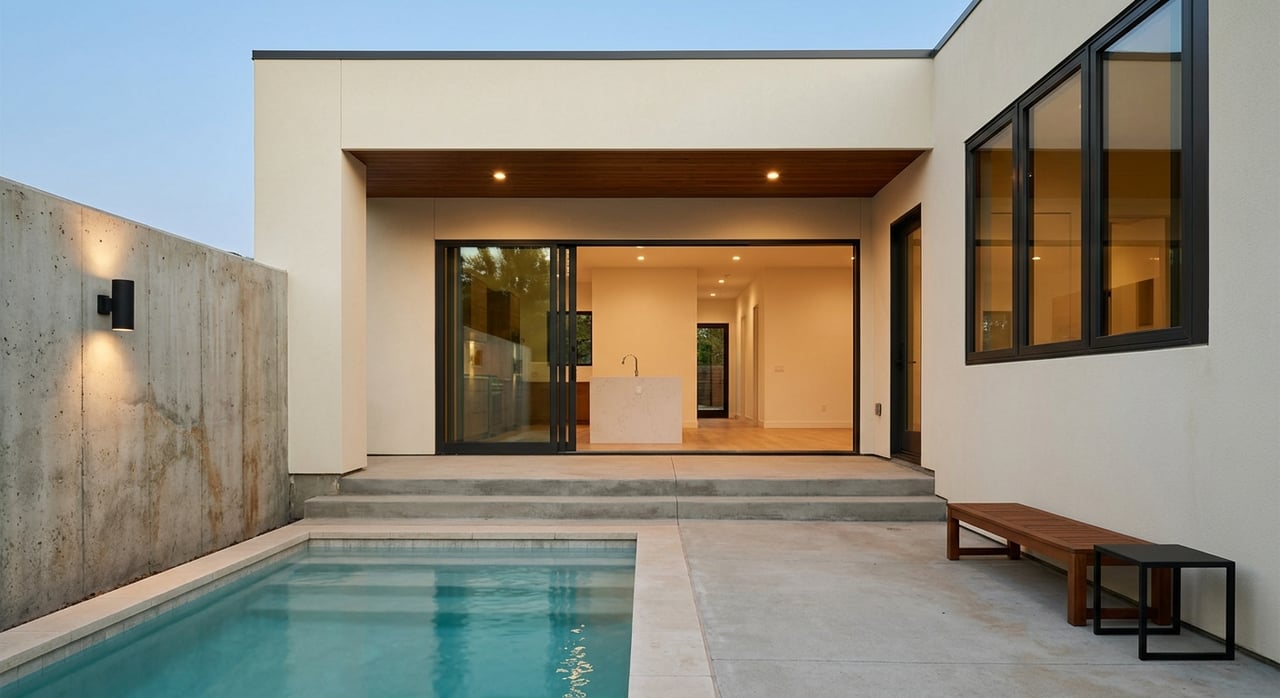
How To Price Your Highland Park Home To Sell
June 4, 2026
June 4, 2026
Wondering why one Highland Park home gets strong traffic right away while another sits? In a market where buyers still respond quickly to the right listing, your price can shape the entire launch. If you want to sell with fewer surprises, the key is to price from real local evidence, not guesswork. Let’s dive in.
If you look only at Highland Park neighborhood data, the sample is extremely small. Over the three months ending November 2025, Redfin showed just one closed sale, with a median sale price of $715,000, 17 days on market, and a result about 10.2% over list. That is helpful as a signal, but not strong enough to treat as a full pricing blueprint.
A better current benchmark is the broader 94606 zip code. Over the three months ending April 2026, Redfin reported a median sale price of $729,633, average market time of about 33 days, a 104.6% sale-to-list ratio, and 46.7% of homes selling above list. That tells you Highland Park sellers are entering a competitive but still selective market.
County-level data supports the same trend. Realtor.com reported Alameda County as a seller’s market in March 2026, with a $940,000 median listing price, a 103% sale-to-list ratio, and 27 median days on market. In plain English, buyers are still active, but they are not rewarding every listing equally.
Pricing starts with comparable homes, often called comps. The most reliable comps are recently sold homes, then pending homes that show where buyers are committing right now, and then active listings that show your competition. Asking prices matter, but sold prices usually tell the clearest story.
In Highland Park, the comp search often has to widen because the neighborhood sample is thin. A practical approach is to start with 94606, then expand to nearby Oakland neighborhoods when needed. Redfin identifies nearby areas such as Glenview, Crocker Highlands, Trestle Glen, Montclair, Oakmore, Redwood Heights, and Upper Rockridge as part of the broader nearby comp pool.
That does not mean every nearby home is a valid comp. A useful comp should be similar in size, condition, lot characteristics, and overall positioning. If your home is a detached single-family property with updated systems and strong presentation, it should not be priced off a less comparable home that needs major work.
Recent sold homes show what buyers were actually willing to pay, not what a seller hoped to get. That distinction is critical when you are setting a list price. In a market where homes can still close above asking, the right question is not, “What are other sellers asking?” but, “What are buyers actually choosing?”
Pending sales also matter because they reflect current momentum. If a similar home went pending quickly, that is fresh evidence of demand at a certain price point. Active listings help you understand the alternatives buyers will compare against your home the second it hits the market.
Because Highland Park data is limited, it can be tempting to use broad Oakland or Alameda County averages. Those bigger numbers can add context, but they should not lead your pricing decision. Your first job is to build a realistic local comp set from 94606 and nearby Highland Park-adjacent neighborhoods.
This is one area where disciplined analysis matters. If you go too broad, you risk choosing comps that look good on paper but do not match how buyers shop in this pocket of Oakland. Good pricing is not just about finding higher numbers. It is about finding the right numbers.
Two homes in the same zip code can justify different prices. Condition, updates, layout, and presentation all influence what buyers will pay. A move-in-ready home can often support a stronger price than a similar home with visible deferred maintenance.
That is especially important in a competitive market. Buyers may stretch for a home that feels ready now, but they may discount a home that looks like it needs immediate repairs or cosmetic work. If your home needs attention, overpricing it because a renovated comp sold well can backfire fast.
Before launch, your price should match how the home shows. NAR guidance notes that property condition and upgrades affect value, and sellers should prepare the home before showings with repairs, deep cleaning, and strong presentation. In practical terms, pricing and prep should work together, not separately.
If you want to list at the higher end of your likely range, the home needs to earn that position. Clean presentation, completed touch-ups, and a polished first impression can help support your number. If the home is not fully market-ready, the price should reflect that reality.
One of the biggest pricing choices is whether to list at market value or slightly below it. The right answer depends on your goals, your home’s condition, and how tight your comp set is. In Highland Park, both strategies can work when they are used intentionally.
Pricing at market is usually the better fit when your home is well prepared, the comparable sales are clear, and you want a more predictable sale path. In 94606, homes are still moving in about 33 days on average, and many close above list. That means you do not always need an aggressive pricing discount to get attention.
This approach often works well when you value certainty over experimentation. You are not trying to test the very top of the range. You are positioning the home where serious buyers can recognize the value quickly.
Slight underpricing can make sense when your goal is to create urgency and increase traffic. NAR guidance notes that competitive pricing at launch can sometimes mean listing about 3% to 5% below recent sale or pending benchmarks to attract stronger interest. In the right situation, that can lead to more showings and possibly multiple offers.
In Highland Park, this strategy is most defensible when the home shows well, the comps are close together, and you are comfortable with a more competitive offer environment. It is not a shortcut for a home that needs major work. It is a deliberate tactic to trigger buyer attention in a market that still rewards strong positioning.
Your first weeks on market provide the clearest pricing feedback. If showings are light, buyer comments are lukewarm, and similar homes are going pending while yours sits, the market may be telling you the price is off. That is useful information, and it is better to read it early than to wait for the listing to stall.
NAR guidance says homes priced more than 3% over the correct price often take longer to sell. It also suggests that if a home has been on the market for more than 30 days without an offer, a price reduction should be considered. In a market like 94606, where buyer activity is still healthy, weak early response is often a pricing signal, not just a marketing issue.
If the launch is not producing enough traffic, a measured reduction can help reset buyer attention. NAR notes that reductions in the 2% to 5% range can increase showings and help generate offers. The goal is not to chase the market down. The goal is to reconnect the listing with where buyers see value right now.
You should also watch pending sales, not just closed sales. Pending homes can be one of the best signs of what buyers are willing to accept in the current moment. In a changing rate environment, that real-time signal matters.
Even in a seller-leaning market, affordability shapes demand. The California Association of Realtors reported an average 30-year fixed mortgage rate of 6.18% in March 2026. Higher borrowing costs can shrink buyer budgets and make pricing discipline more important.
That does not mean buyers disappear. It means they can become more selective. If your home is priced near the top of its realistic range, presentation, condition, and even strategic concessions may matter more than they would in a looser rate environment.
If you want a practical framework, keep it simple:
This approach keeps your decision grounded in evidence instead of emotion. It also helps you avoid the two most common pricing mistakes: listing too high because you want negotiating room, or listing without a clear strategy for how buyers in this market are actually behaving.
Pricing your Highland Park home to sell is not about chasing the highest possible number on day one. It is about finding the number that matches local comps, reflects your home’s true condition, and fits your selling strategy. Right now, the data points to a competitive 94606 market where buyers will still pay up for well-positioned homes, but accurate pricing matters.
If you want to sell with leverage, the best move is usually a disciplined one. Build your price from recent local evidence, present the home well, and be ready to respond if the first few weeks send a clear signal. When the pricing is right, everything else in the sale tends to work better.
If you want a more strategic pricing discussion before you list, Richard Evanns can help you evaluate comps, positioning, and launch strategy with a practical, data-driven approach.
Stay up to date on the latest real estate trends.

Work with a professional who understands the rhythm of Los Angeles real estate. Richard brings dedication, strategy, and vision to help you achieve your property goals.