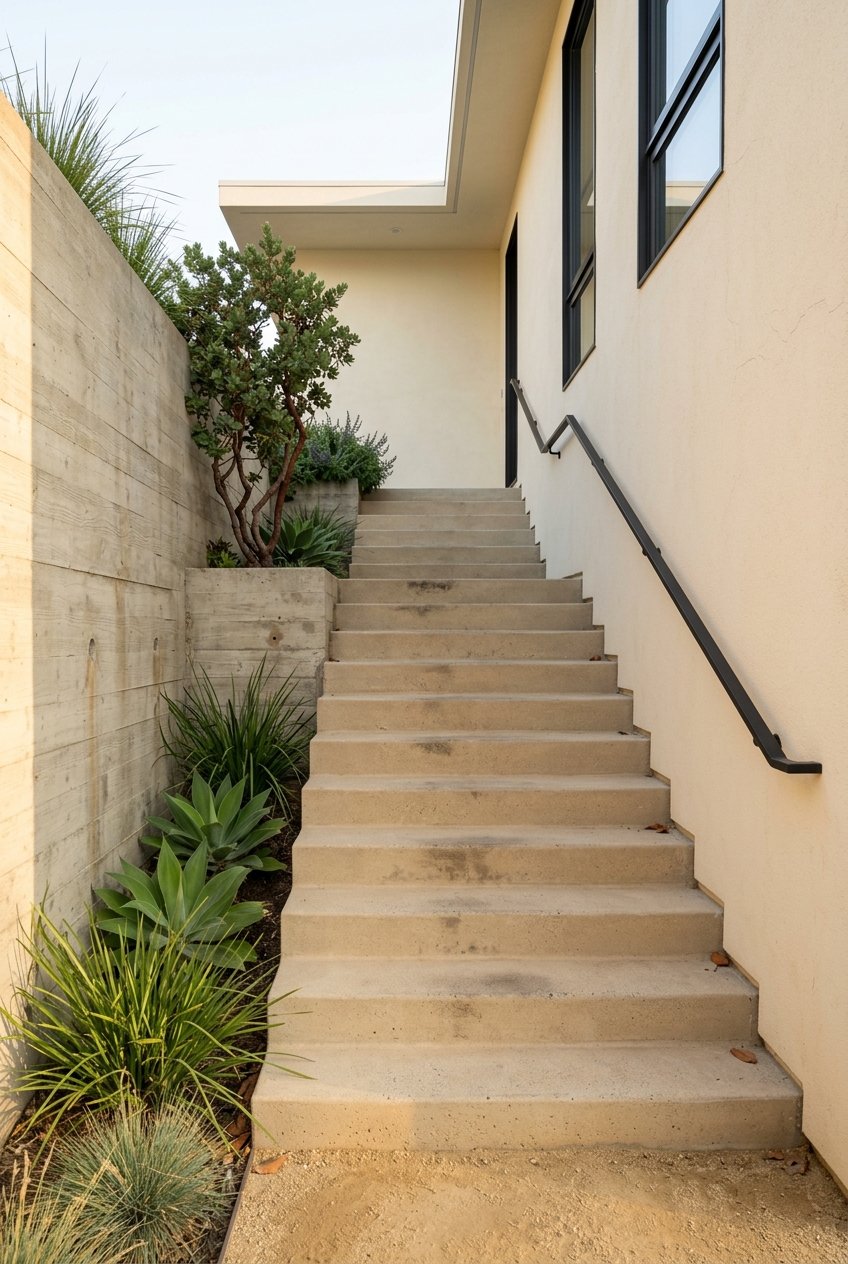
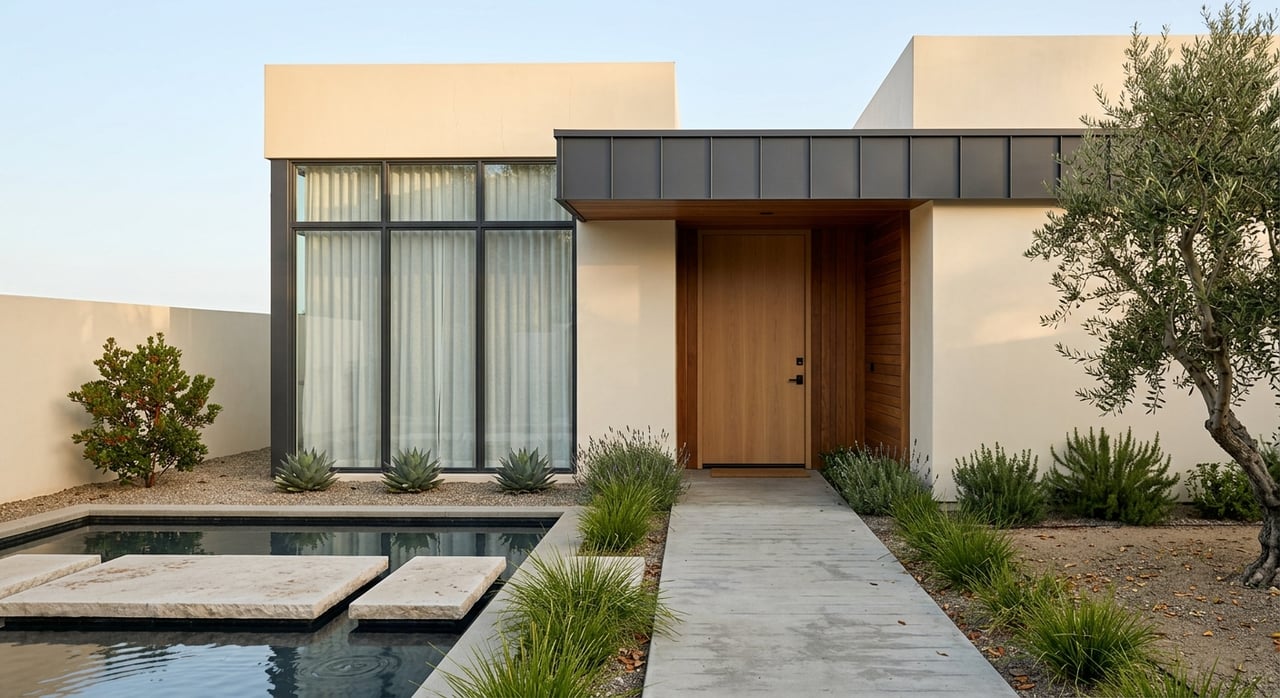
Love the look of a classic Spanish bungalow or a glassy mid‑century perch over the reservoir? In Silver Lake, the style you choose does more than set a mood. It can influence price, maintenance costs, regulatory hurdles, and how quickly your home sells when it is time to move on. This guide breaks down the most common local styles and how each one affects value so you can buy or prep a sale with confidence. Let’s dive in.
Why architecture matters in Silver Lake
Silver Lake is design-forward and architecturally eclectic. Many homes sit on hillside lots that prize light, views, and indoor-outdoor living. Buyers here often seek strong architectural identity and quality execution, whether original or well-restored.
On these slopes, style intersects with reality. Drainage, retaining walls, access, and slope stabilization can shape upkeep and renovation plans. Understanding these local factors helps you price, inspect, and negotiate from a position of strength.
Style profiles: what to expect
Spanish and Spanish Colonial Revival
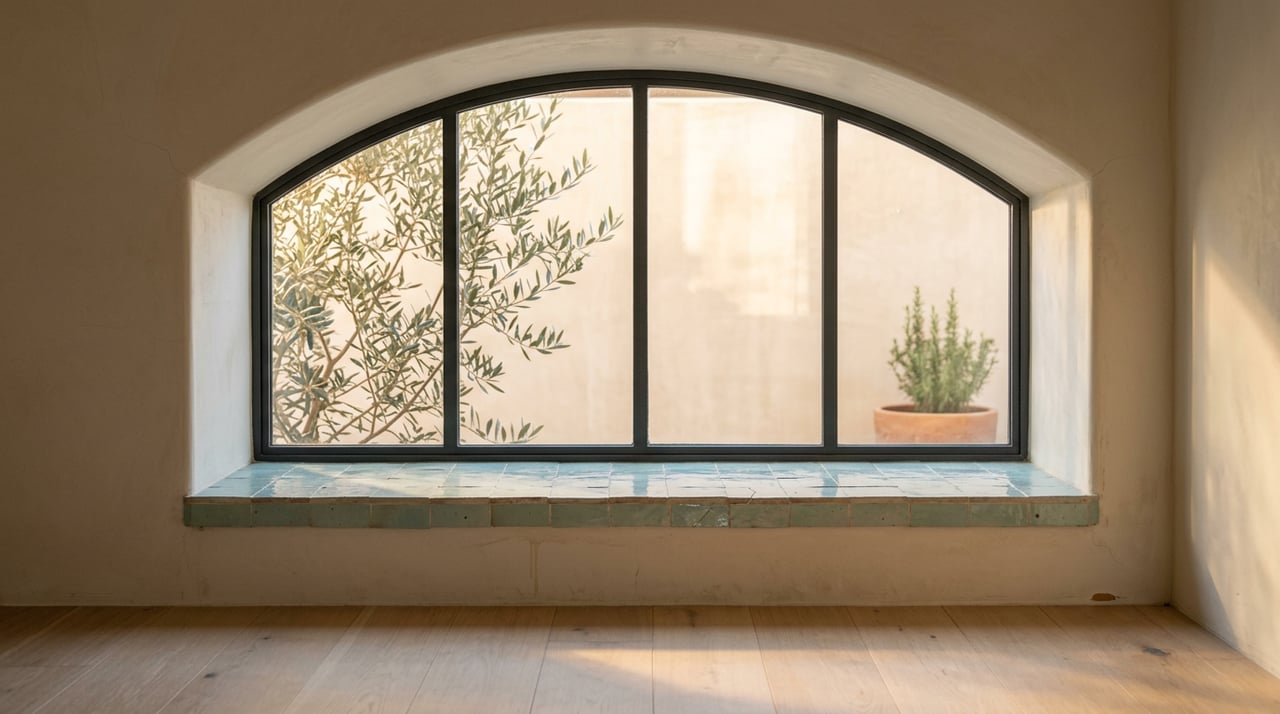
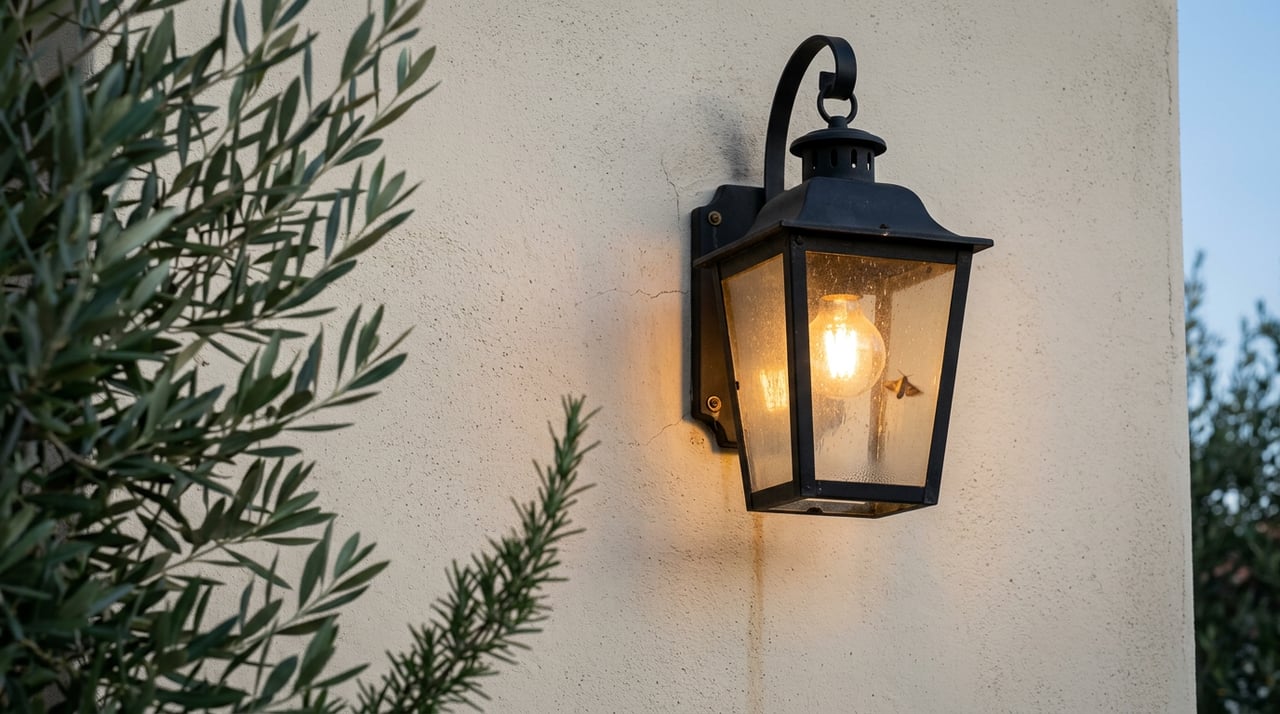
You can spot a Spanish Revival by its stucco exterior, red clay tile roof, arched openings, and wrought-iron details. Many date from the 1920s to 1940s and fit well on compact lots with courtyards or patios.
Value impact:
- Broad buyer appeal for period charm. Homes that keep original tiles, ironwork, and wood elements in good condition often command a premium.
- Updates that respect the style tend to outperform conversions that erase defining features.
Maintenance and inspection priorities:
- Stucco cracks and moisture: review flashing, window and door penetrations, roof eaves, and chimneys.
- Clay tile roofs: verify underlayment, roof structure, and broken tiles.
- Older systems: check for knob-and-tube wiring and galvanized plumbing.
- Seismic safety: evaluate chimneys and any unreinforced masonry.
Permitting and alterations:
- Period restorations are commonly supported, but confirm any Historic Preservation Overlay Zone rules if applicable.
- Expansions can be limited by small lots, setbacks, and hillside grading constraints.
Mid-century modern
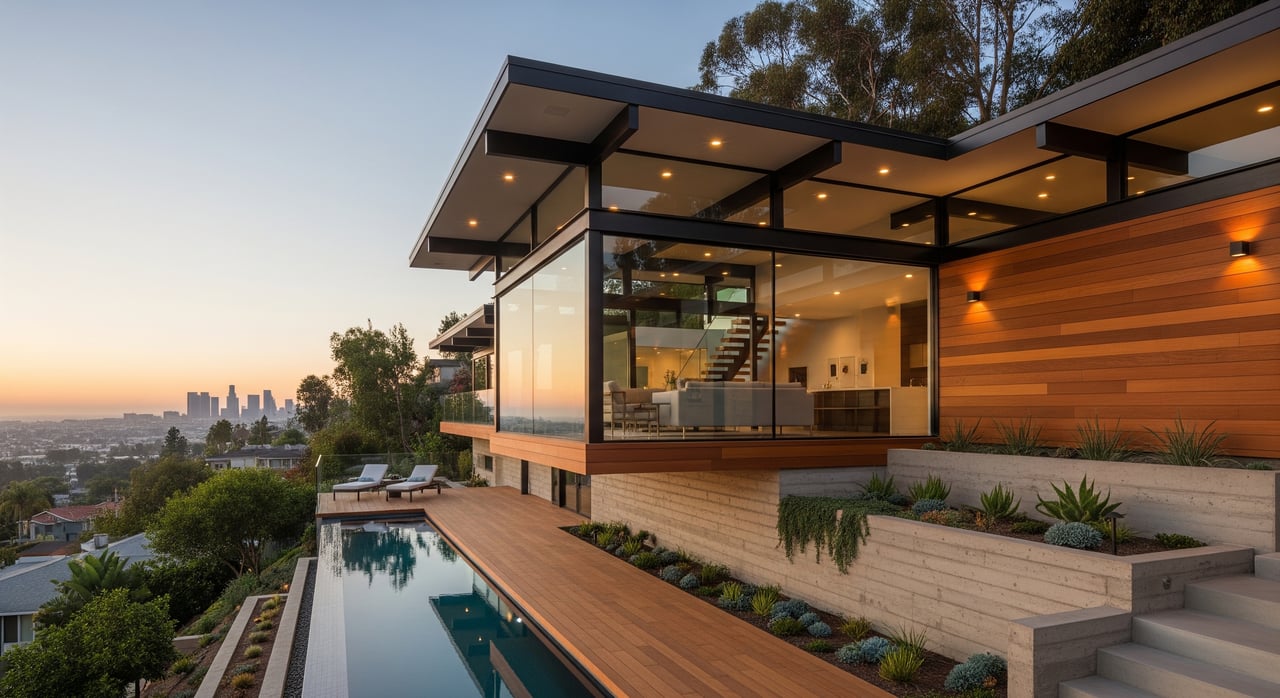
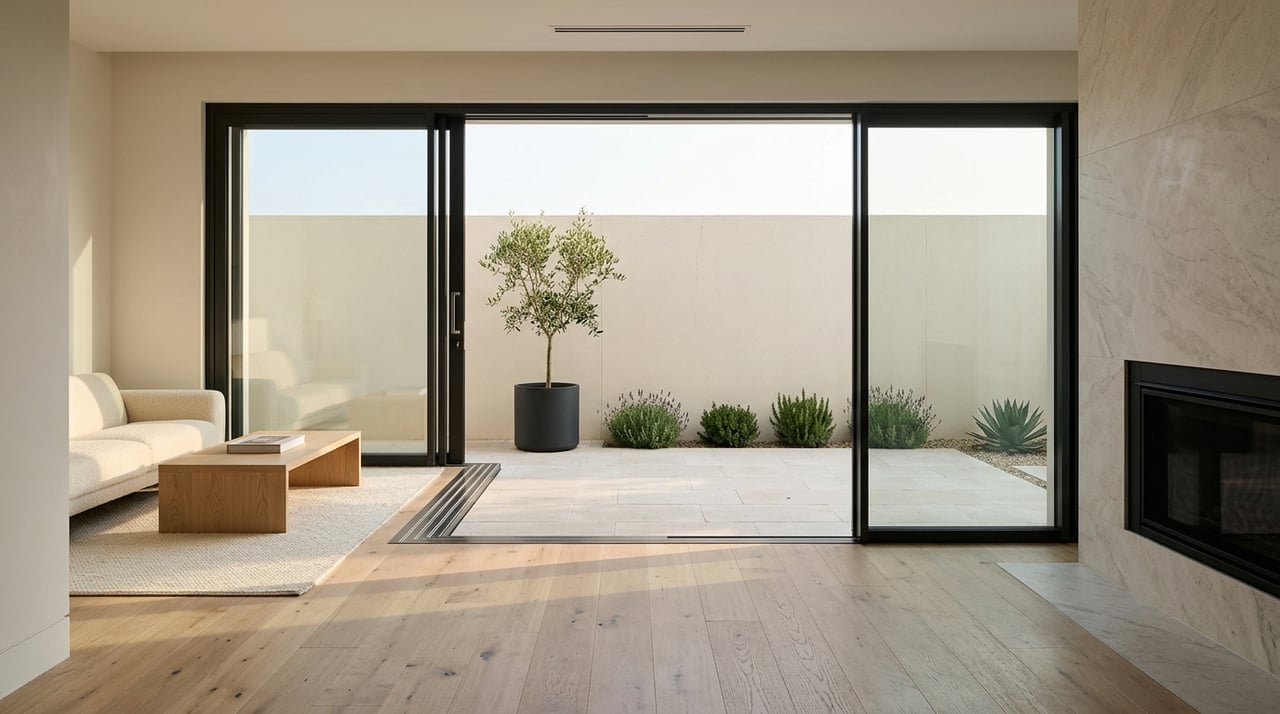
Local mid-century modern homes feature clean lines, post-and-beam structure, large glass walls, clerestory windows, and open plans that capture views. Silver Lake has a notable concentration of hillside MCM properties designed for light and landscape.
Value impact:
- High design cachet. Authentic, well-preserved MCM homes with intact details and indoor-outdoor flow often earn premium pricing.
- Rarity and documented provenance can push values higher.
Maintenance and inspection priorities:
- Flat or low-slope roofs: look for membrane age, drainage, and past leak history.
- Windows: original single-pane glass and metal frames can be drafty and costly to replace.
- Structure: assess beam conditions, post connections, and exposed wood for termites or rot.
- Thresholds: check water intrusion at sliders and patio transitions.
Permitting and alterations:
- Weigh updates to kitchens and baths against preserving original planes and materials.
- Changing windows or exterior materials may require review where design guidelines or protections apply.
Contemporary and new construction
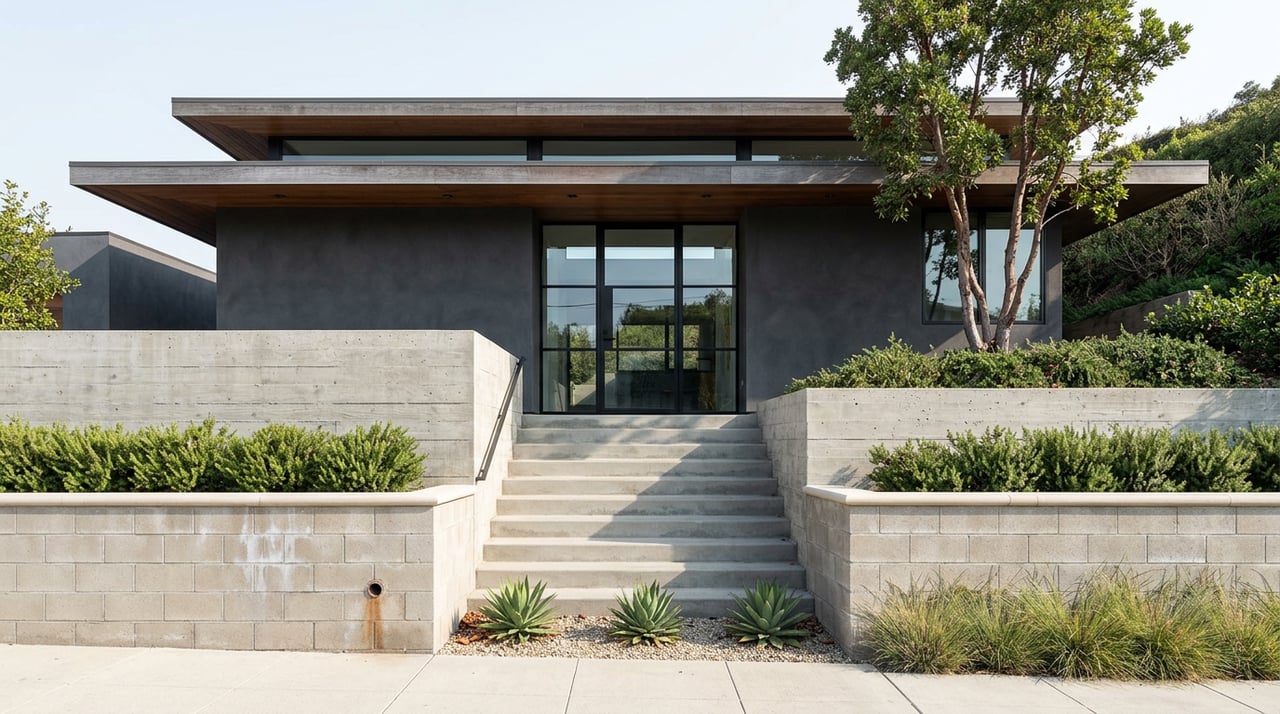
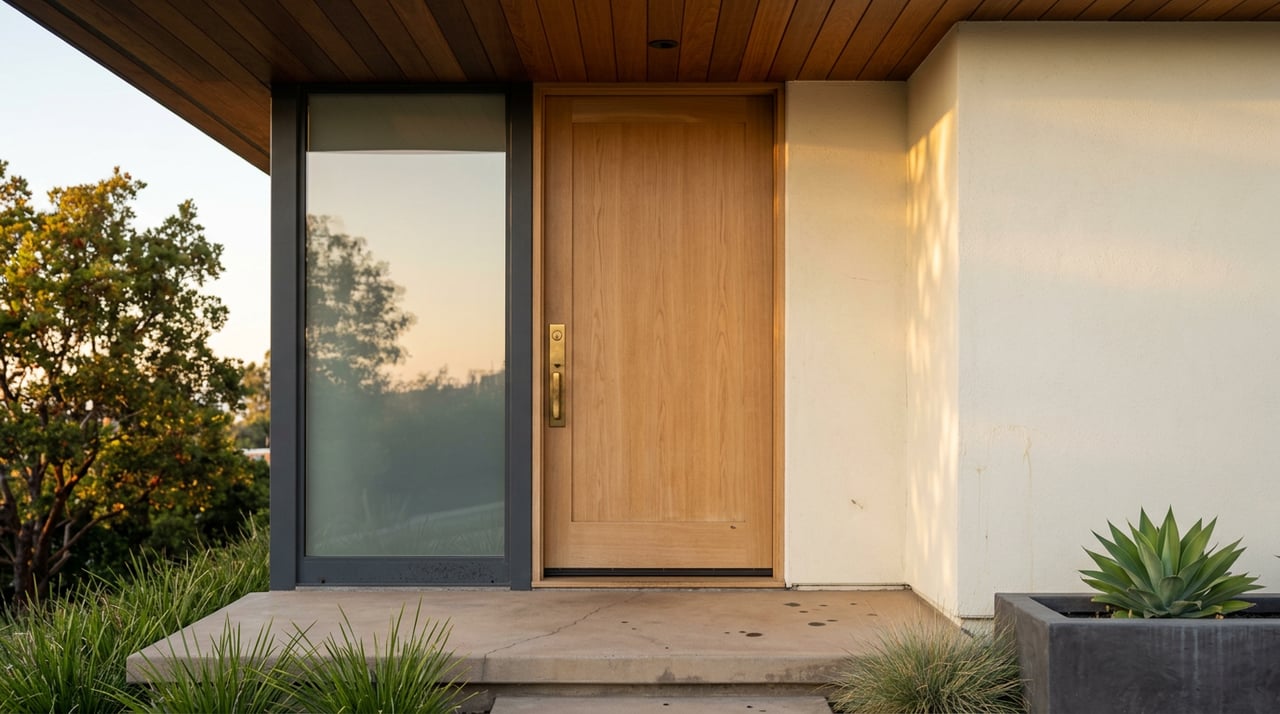
Contemporary homes in Silver Lake often show minimalist forms, large glazing, mixed materials, rooftop decks, and modern systems. You will see these as ground-up builds or major remodels that maximize views and amenities.
Value impact:
- High-quality, well-engineered contemporaries often achieve top dollar per square foot, especially when paired with energy-efficient systems and view-driven design.
- Taste can be subjective. Some buyers favor authentic period architecture over newer aesthetics.
Maintenance and inspection priorities:
- Systems: modern HVAC, tankless water heaters, and upgraded electrical can be efficient but need proper maintenance.
- Waterproofing: flat roofs, expansive glass, and complex detailing require careful review for potential leaks.
- Construction quality: hillside engineering, foundation work, and finish quality strongly influence value and durability.
Permitting and alterations:
- Expect permits for building and grading, and in hillside areas, geotechnical reports. Demolition or major work can trigger added checks for trees, grading, and stormwater.
Craftsman and bungalow
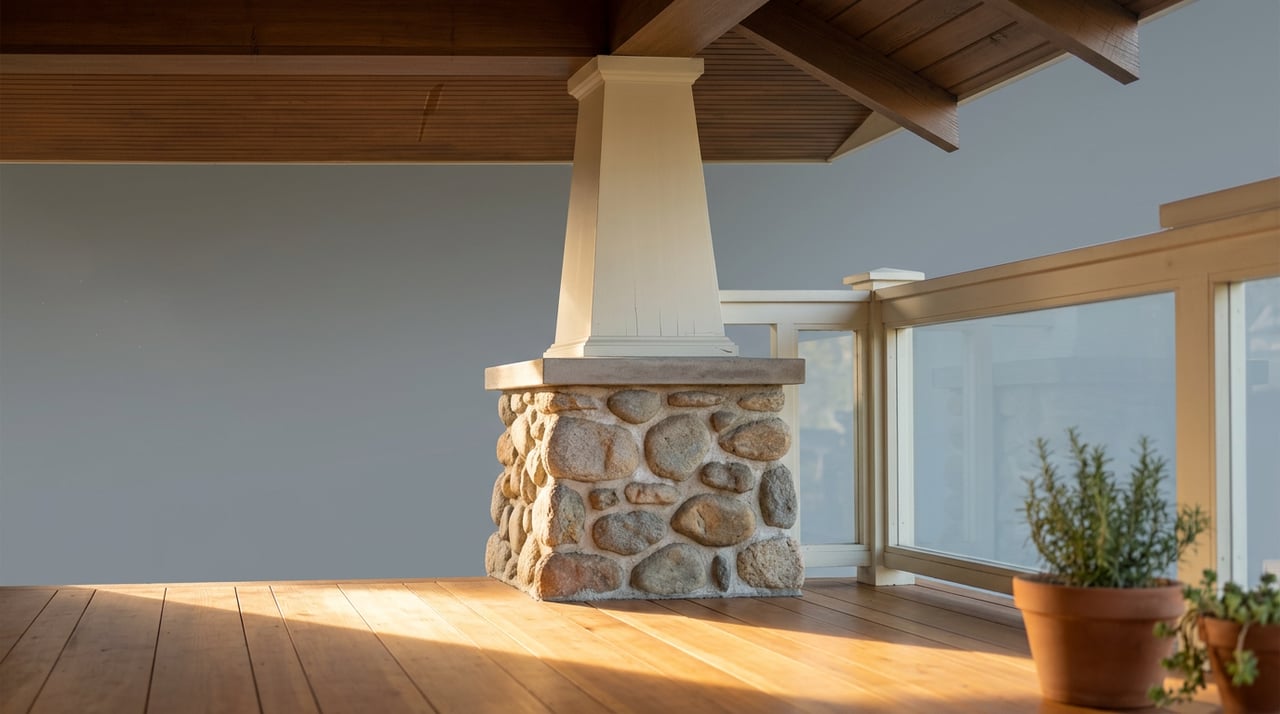
Craftsman bungalows show low-pitched gabled roofs, wide eaves with exposed rafters, tapered porch columns, and wood siding or shingles. Inside, built-ins and warm woodwork create a classic feel.
Value impact:
- Broad local appeal for authentic detail and human-scale spaces. Well-maintained trim and built-ins can boost desirability.
- Many bungalows have smaller footprints, which can cap price relative to large view homes, but steady demand often supports strong competition.
Maintenance and inspection priorities:
- Wood and pests: watch for rot, termite damage, and at-risk exterior wood.
- Aging systems: check original mechanicals, insulation, and plumbing.
- Roof and foundation: evaluate age, condition, and any settlement.
Permitting and alterations:
- Restorations are often favored. If inside a historic district, repairs can require specific materials and review.
How style influences price here
Architecture shapes value through several local levers:
- Authenticity and pedigree. In a design-conscious market, intact period features, recognizable architects, or consistent restoration can increase buyer interest and sale price. Poorly executed conversions can do the opposite.
- Scarcity and supply. Rarer styles with strong views, such as intact mid-century hillside homes, can command higher premiums than more common stock without views.
- Lot and orientation. Style rarely stands alone. Views, outdoor space, light, and site functionality are major modifiers.
- Maintenance and capital costs. Buyers price in near-term expenses like roof replacement, seismic work, stucco repair, or specialty windows. Styles with high specialty costs can see offers adjusted unless improvements are recent.
- Regulatory friction. Historic designations, HPOZ boundaries, hillside rules, and grading requirements can protect value but add time, cost, and complexity to changes.
- Energy and systems. Efficient envelopes, insulation, and modern HVAC can bolster resale when upgrades are sympathetic to the style.
- Lifestyle fit. Homes that deliver indoor-outdoor living, daylight, and design integrity tend to sell faster and for more in this neighborhood.
Buyer checklist: before you write an offer
- Confirm the style and features. Ask for original construction date, architect if known, and documented renovations.
- Order a full home inspection with style-specific focus:
- Spanish: stucco, tile roof underlayment, flashings, moisture.
- MCM: roof membrane, window seals, beam connections, drainage.
- Contemporary: waterproofing details, roof drains, hillside engineering.
- Craftsman: wood rot, termites, foundation settlement, original utilities.
- Verify permits on additions or major remodels and confirm final sign-offs with the city.
- Check for any HPOZ, historic status, or local design review that could affect future changes.
- For hillside properties, request geotechnical reports, slope history, and retaining wall records.
- Ask for recent capital expenditures: roof, HVAC, sewer lateral, foundation, seismic retrofits.
Seller moves that add value
- Preserve defining features. Cosmetic updates that respect the style tend to yield better ROI than mismatched remodels.
- Organize permits and documentation. Provide invoices and sign-offs for buyers to review.
- Present design clearly. For authentic MCM and high-end contemporary homes, invest in photography that shows lines, light, and indoor-outdoor flow.
- Fix visible issues first. Address waterproofing, drainage, and deferred maintenance, especially on hillside lots.
- Targeted upgrades. Kitchens and baths that suit the home’s character, energy improvements that do not undermine design, and quiet seismic or systems work can all support pricing.
Renovation and permitting in Silver Lake
Plan for hillside rules and potential grading requirements on additions or new construction. Many sites need structural, geotechnical, and drainage solutions before finishes. Build time and cost assumptions accordingly.
If your home may be historic or inside an HPOZ, align materials and exterior changes with local guidance. This can protect long-term value by keeping neighborhood character consistent while avoiding compliance surprises.
Early conversations with an architect and engineers who know Los Angeles hillsides and preservation processes can save months. For specialized work, consider contractors familiar with tile roofs, period woodwork, or mid-century window and roof systems.
Putting it together: finding your fit
No single style always wins on price. In Silver Lake, value is the sum of architecture plus lot, views, condition, systems, and permits. Spanish and Craftsman homes offer broad appeal when well cared for, mid-century hillside gems can command premiums for authenticity and views, and high-quality contemporary builds can lead on price per foot when engineered and executed well.
If you want a clear plan tailored to your search or sale, connect with Richard Evanns for a strategy built around style, site, and your goals.
FAQs
Which Silver Lake home style holds value best?
- It depends on authenticity, condition, lot, and views. Well-preserved mid-century hillside homes and high-quality contemporary remodels often top per-foot pricing, while Spanish and Craftsman homes attract broad demand when updated sympathetically.
What are the biggest inspection risks in Silver Lake?
- Hillside stability and drainage, roof and waterproofing, termite and wood rot, and whether major remodels were properly permitted and finalized.
Do historic or HPOZ rules limit renovations?
- They can. Historic designations and HPOZ boundaries may restrict exterior changes and materials, which can protect value but add review time and cost.
Are flat roofs a dealbreaker on MCM or contemporary homes?
- Not necessarily. Flat or low-slope roofs require careful inspection for membrane age, drainage, and prior leak repairs. Quality detailing and maintenance reduce risk.
Will a contemporary gut remodel hurt resale on a period home?
- It can boost short-term price if the work is high quality, but it may narrow the buyer pool. Preserving recognizable period elements usually broadens appeal.
How do views affect price compared with style?
- Views are a major modifier. A home with strong views and outdoor connection can outpace a more stylistically pure home without those benefits, all else equal.