Thinking about buying your first home in Highland Park? You’re likely weighing charm and price against the quirks that come with older Oakland homes. With the right plan, you can move with confidence and avoid surprise costs. This guide gives you a clear picture of the neighborhood, realistic price bands, the inspections that matter, and a step-by-step path from pre-approval to keys. Let’s dive in.
Highland Park snapshot
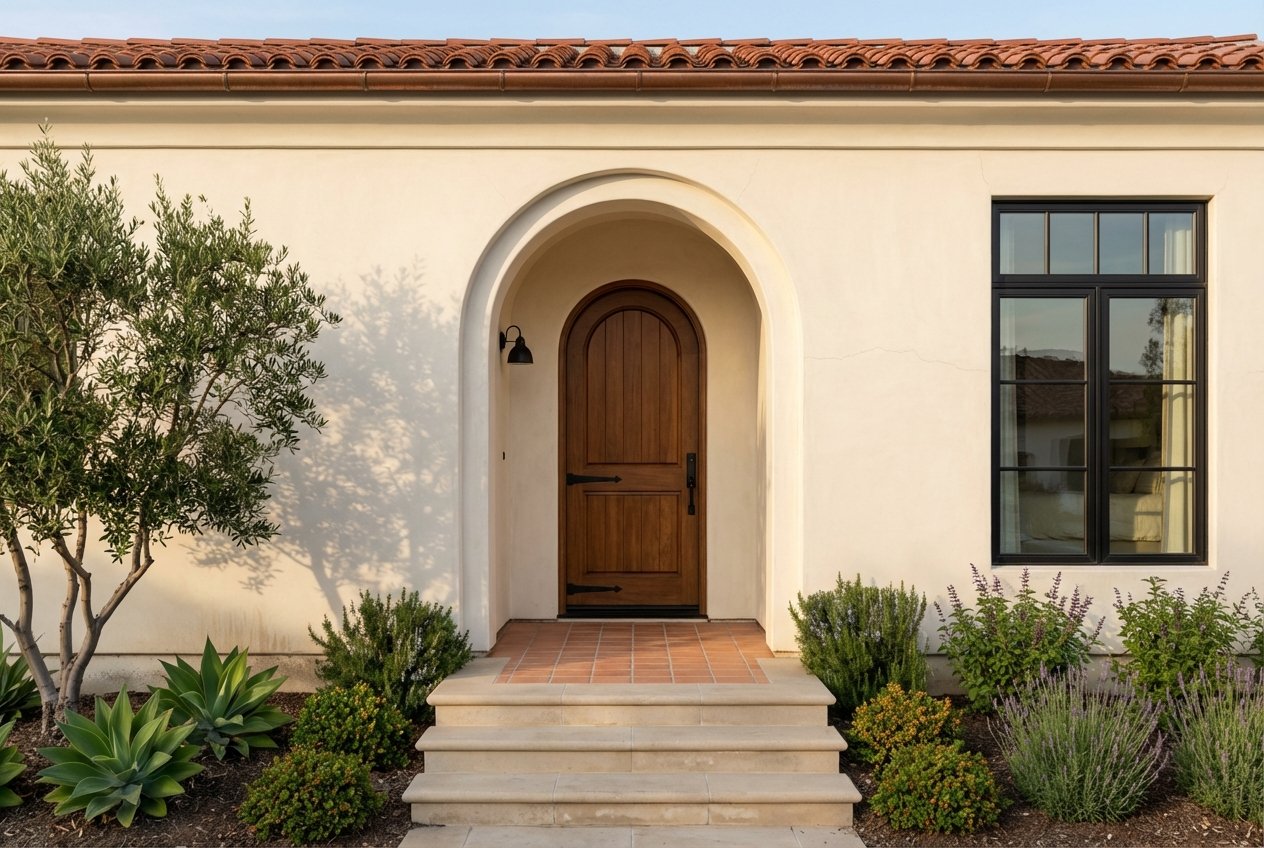
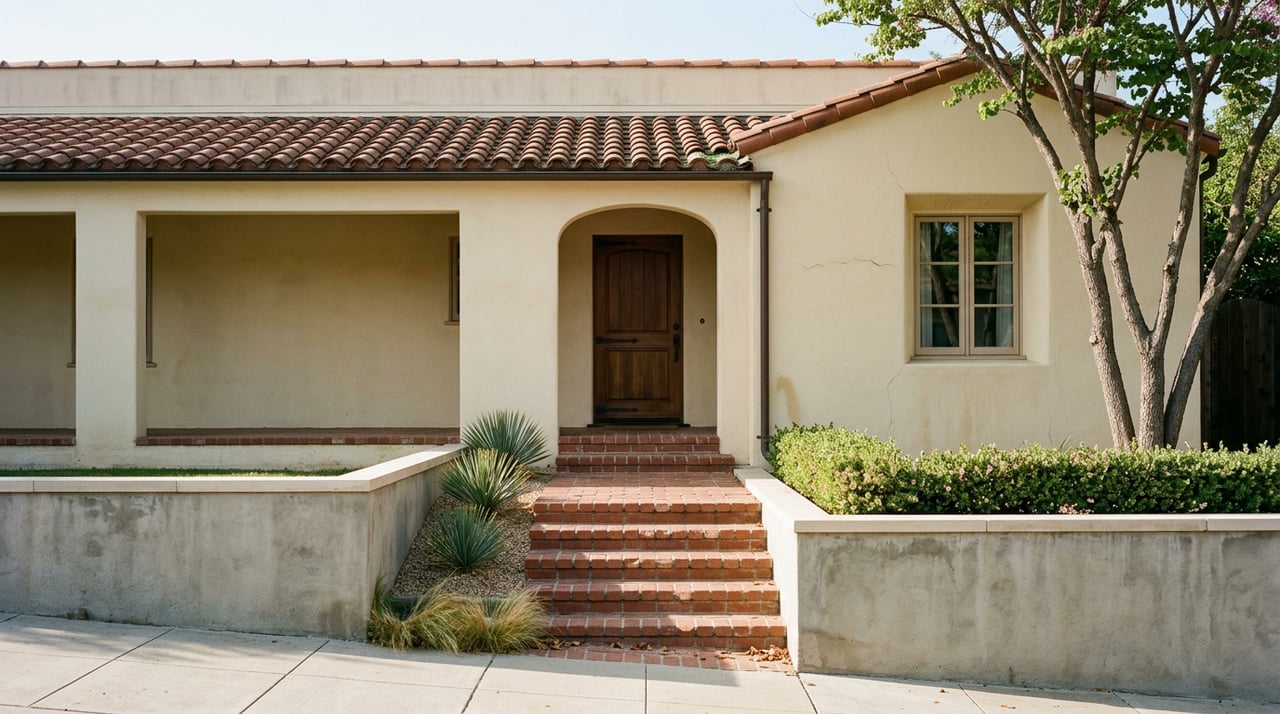
Highland Park sits along the Dimond and Bella Vista corridor in East Oakland. You’ll see early 1900s Craftsman bungalows, small cottages, and some duplex conversions near Bella Vista Park and Dimond Park. Transit access is solid, with AC Transit routes, I-580 nearby, and BART corridors within a short drive. Walk and transit scores are moderate, so plan for a mix of car and bus commuting.
Recent price snapshots vary by source because the neighborhood is small. Zillow’s index shows a typical value around $594,419, while a Redfin snapshot put a recent median near $715,000. Small sale counts and mixed property types make medians swing. Use immediate-area MLS comps on the same block and similar condition when you zero in on a specific home.
What you can buy and what it costs
Highland Park’s starter options include small single-family homes, cottages, and duplexes where you might live in one unit and rent the other. Many lots are compact, and some streets have steep driveways. The median year built for many parcels is roughly 1910 to 1915, so expect vintage features and systems.
Price bands based on recent public sales provide a useful range:
- Lower range: about $350,000 to $500,000 for modest fixers, smaller 1–2 bed units, or some duplex/distressed sales.
- Middle range: about $500,000 to $800,000 for modestly updated 2–3 bed single-family homes, with condition and size driving value.
- Upper range: renovated or larger homes can exceed $1,000,000, especially with major upgrades.
Because inventory is thin, values hinge on condition, lot, and layout. Before you craft an offer, compare like-for-like MLS comps from the past 3 to 6 months and walk the block to understand micro-location.
Budget and financing steps
Start your financing early so you can move quickly when the right home hits the market.
- Get solid pre-approval. Ask a local, experienced lender for a fully underwritten pre-approval, not just pre-qualification.
- Explore assistance programs. The CalHFA MyHome program offers a deferred junior loan that can help with your down payment and closing costs if you qualify. Review current details on the CalHFA site: CalHFA MyHome.
- Check county and local options. Alameda County’s AC Boost provides down payment assistance through a shared appreciation structure when available. Programs open and close, so verify timelines and requirements.
- Consider low-down conventional. Fannie Mae’s HomeReady mortgage allows as little as 3 percent down for eligible buyers.
Alameda County is treated as a high-cost area for conforming loans. Ask your lender to confirm current loan limits and how they affect your rate, mortgage insurance, and whether you would cross into jumbo.
Tour smarter: vintage-home checklist
Older Oakland homes can be great first purchases when you know what to look for. Bring a simple checklist to each tour:
- Roof, gutters, and drainage around the foundation
- Floors, doors, cracks, and signs of settlement
- Electrical panel size, visible knob-and-tube wiring, or old fuses
- Plumbing age, water pressure, and any signs of leaks
- Window condition and evidence of moisture intrusion
- Crawlspace or basement access and overall ventilation
Pull permit history before you fall in love. Use the City’s portal or a resource like MyPropertyAtlas permit resources for Oakland to see past work, sewer lateral permits, and whether additions were permitted.
Offers that win without regret
A strong offer is clean, complete, and clear. Include your pre-approval, proof of funds, and a concise Residential Purchase Agreement.
- Use contingencies wisely. Inspection, appraisal, and loan contingencies protect you. In California, contingency removal must be done in writing, and timelines are negotiated. For a helpful overview of how these timelines work in practice, see this legal primer on buyer mistakes and RPA timelines: California Residential Purchase Agreement tips.
- Compete with precision. Shortening contingency windows can help, but do not skip inspections on vintage homes. Consider a targeted, shorter inspection period instead of a full waiver.
Inspections and must-do local compliance
Once you are in escrow, order standard and specialized inspections based on what you saw at the tour.
- Standard home inspection. Get a general inspector who knows Oakland’s early 1900s stock.
- Sewer lateral camera. Oakland requires a Private Sewer Lateral compliance certificate at title transfer. Read the EBMUD Private Sewer Lateral program so you know the trigger, certificate process, and Time Extension Certificate option.
- Electrical specialist. If you suspect knob-and-tube or an undersized panel, bring in a licensed electrician. Here is a straightforward overview of what knob-and-tube means for safety and insurance: knob-and-tube wiring basics.
- Lead and asbestos risk. For homes built before 1978, federal rules require disclosure and a chance to test. Review the EPA’s guidance: Protect Your Family From Lead in Your Home.
- Termite and structural. Order a WDO inspection. If you see slope or foundation concerns, get a structural evaluation.
- Soft-story screening on multi-unit. If you are buying a duplex or larger, check Oakland’s Mandatory Soft Story program list and deadlines. Retrofit construction can run tens of thousands to over $100,000 depending on building size and design. See the City’s cost guidance and FAQs: Oakland Soft Story Retrofit FAQ.
Use your inspection results to negotiate credits or repairs. If major issues surface, your contingencies let you cancel or renegotiate per California timelines.
Closing checklist
Before you sign, confirm these items are handled:
- Private Sewer Lateral certificate or an escrow plan consistent with EBMUD rules. Reference: EBMUD PSL program.
- For multi-unit properties, verify soft-story status and any design or retrofit permits already in motion.
- Final walkthrough to confirm agreed repairs and property condition.
Pro tips for first-time buyers
- Move fast, but protect yourself. Inventory is limited, so be ready to write, yet keep a short inspection window that targets the big-ticket risks like PSL, electrical, and foundation.
- Budget beyond the down payment. Set aside funds for likely near-term repairs on vintage homes, such as panel upgrades, limited re-piping, roof tune-ups, or drainage work. For multi-unit soft-story buildings, plan for significant retrofit costs if required.
- Use assistance. CalHFA and AC Boost can stretch your purchase power if you meet eligibility rules and complete required education.
- Lean on local data. Because neighborhood medians swing, make decisions based on block-level comps, permit history, and a focused set of inspections.
Ready to map out your financing, search strategy, and inspection plan for Highland Park? If you want a second set of eyes on your approach, schedule time with Richard Evanns to pressure-test your plan and move forward with confidence.
FAQs
What price range should a first-time buyer expect in Highland Park?
- Expect a wide range. Recent public sales suggest roughly $350,000 to $500,000 for modest fixers or small units, $500,000 to $800,000 for many 2–3 bed starters, and renovated homes that can top $1,000,000. Always confirm with recent MLS comps on the same block.
Which inspections are most important for older Oakland homes?
- Prioritize a general home inspection, sewer lateral camera, WDO/termite, and targeted specialists for electrical, foundation, and roof. For pre-1978 homes, review EPA lead guidance and consider testing.
How does the EBMUD Private Sewer Lateral rule affect my purchase?
- Title transfer in Oakland typically triggers the PSL requirement. You will need a compliance certificate or a Time Extension Certificate with escrow mechanics to complete or fund repairs. Read the EBMUD PSL program for process details.
What is Oakland’s soft-story retrofit program and who does it affect?
- Multi-unit wood-framed buildings with weak ground floors may need evaluation and retrofit on a City-defined timeline. Retrofit construction can run tens of thousands to over $100,000 depending on size and design. See the Oakland Soft Story Retrofit FAQ for current rules and costs.
What down payment help is available in Alameda County?
- State and local programs can help. Review CalHFA MyHome for a deferred junior loan and check AC Boost for local shared appreciation assistance, subject to funding and eligibility.
Should I waive contingencies to win in Highland Park?
- It can be risky to waive inspections on vintage homes. A stronger path is a short, targeted inspection period and a clean, complete offer. For how California contingency timelines work, see this legal primer: RPA buyer tips.