Highland Park Architecture Guide to Oakland Home Styles
May 21, 2026
May 21, 2026
If you are drawn to older Oakland neighborhoods with real architectural personality, Highland Park deserves a closer look. This small pocket near Highland Hospital has a layered housing story, and that story shows up in the homes you tour, the streets you walk, and the renovation questions you should ask before you buy. If you want to understand what Highland Park homes actually look and feel like, and what that means for day-to-day ownership, this guide will walk you through it. Let’s dive in.
Highland Park developed in the transit era, not the auto era. City heritage materials trace its promotion to the late 1870s and connect its growth to horsecar and later electric streetcar access along 13th and 14th Avenues. That early development pattern helps explain why many homes sit on compact lots and why house footprints often take up a large share of the parcel.
Today, the neighborhood reads as a mostly residential area with a mix of single-family homes, multi-unit dwellings, and apartment buildings. Oakland city records describe many Colonial Revival houses in the broader area, along with some earlier Queen Anne and Italianate survivors. Current neighborhood guides also note hilly streets, steep driveways, and cement stairways in some parts of Highland Park.
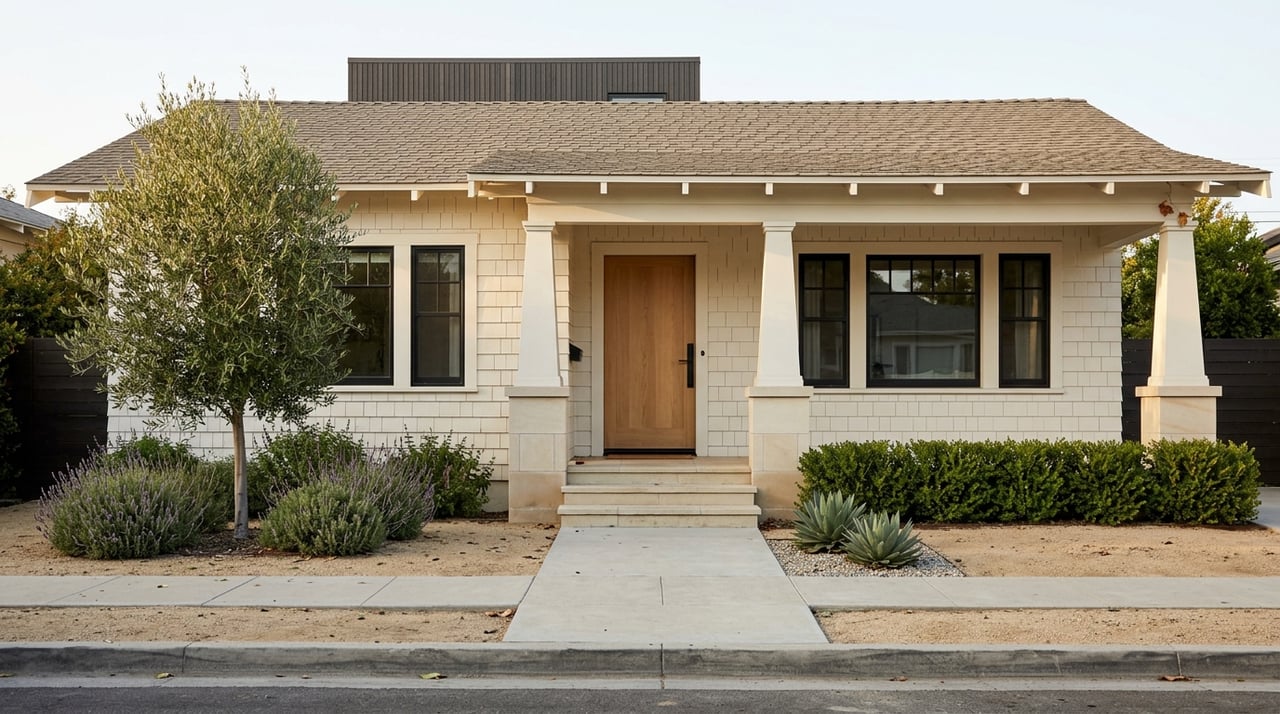
The strongest architectural layer in Highland Park is Craftsman. Neighborhood guides point to many Craftsman bungalows and cottages, often with porches, chimneys, and first-story garages. If you like homes with visible wood details, practical layouts, and a strong connection to the front porch, this style is likely to stand out.
Craftsman homes are typically one to two stories with broad, low-pitched gables and deep eaves. Historic descriptions also highlight stained woodwork and interior layouts that reduce hallways in favor of more open living space. In practical terms, that often means a home that feels warm, grounded, and efficient rather than oversized or showy.
Colonial Revival is also a key part of the neighborhood’s character. Oakland records identify many Colonial Revival houses in Highland Park and nearby blocks, especially from the early-1900s buildout period. These homes help give the neighborhood a more formal, traditional layer alongside the bungalow feel of Craftsman properties.
When you tour Colonial Revival homes, you may notice a more symmetrical appearance and a more structured street presence. In Highland Park, these homes are part of the area’s early housing stock, so buyers should still expect older-home considerations like aging exterior materials, original windows, and porch maintenance.
Highland Park also includes some older homes that predate the neighborhood’s main early-20th-century buildout. Oakland records reference earlier Queen Anne and Italianate survivors in the surrounding area. These homes are not the dominant style, but they add to the neighborhood’s architectural mix.
For buyers, these older properties can offer more decorative detail and a stronger sense of historic character. They can also come with more upkeep, especially when original trim, porch elements, or older rooflines need repair or careful replacement.
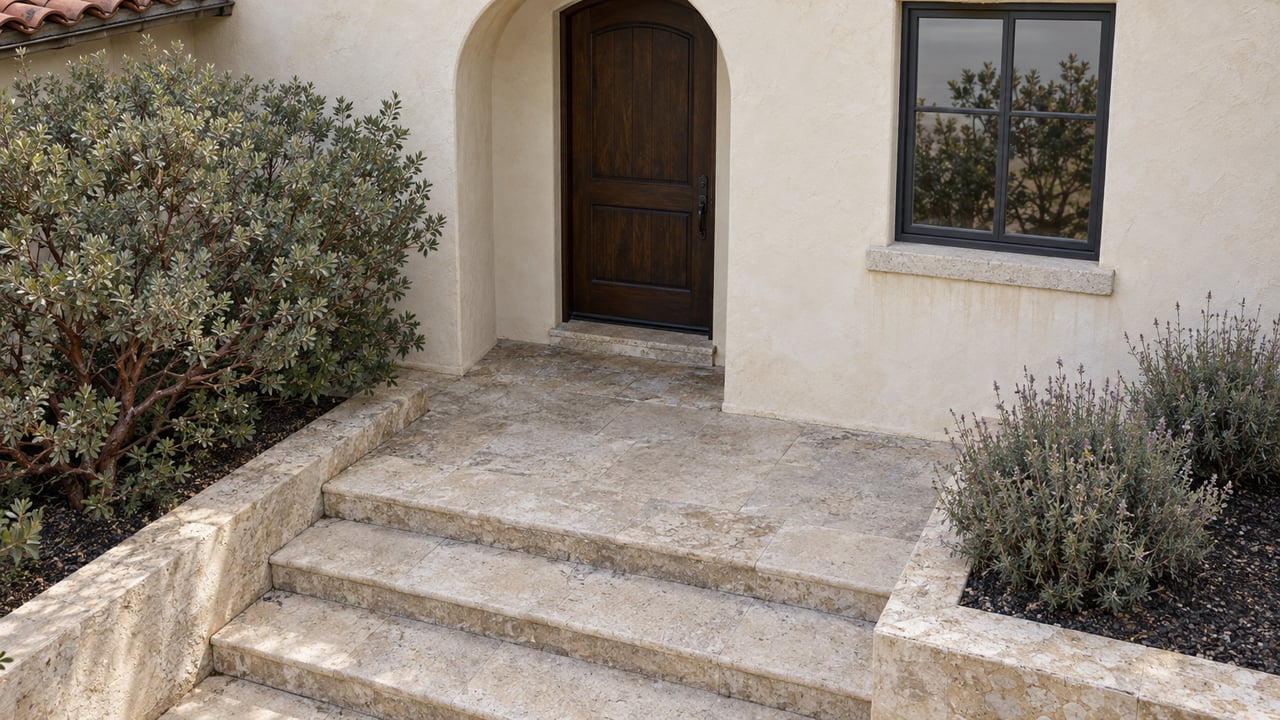
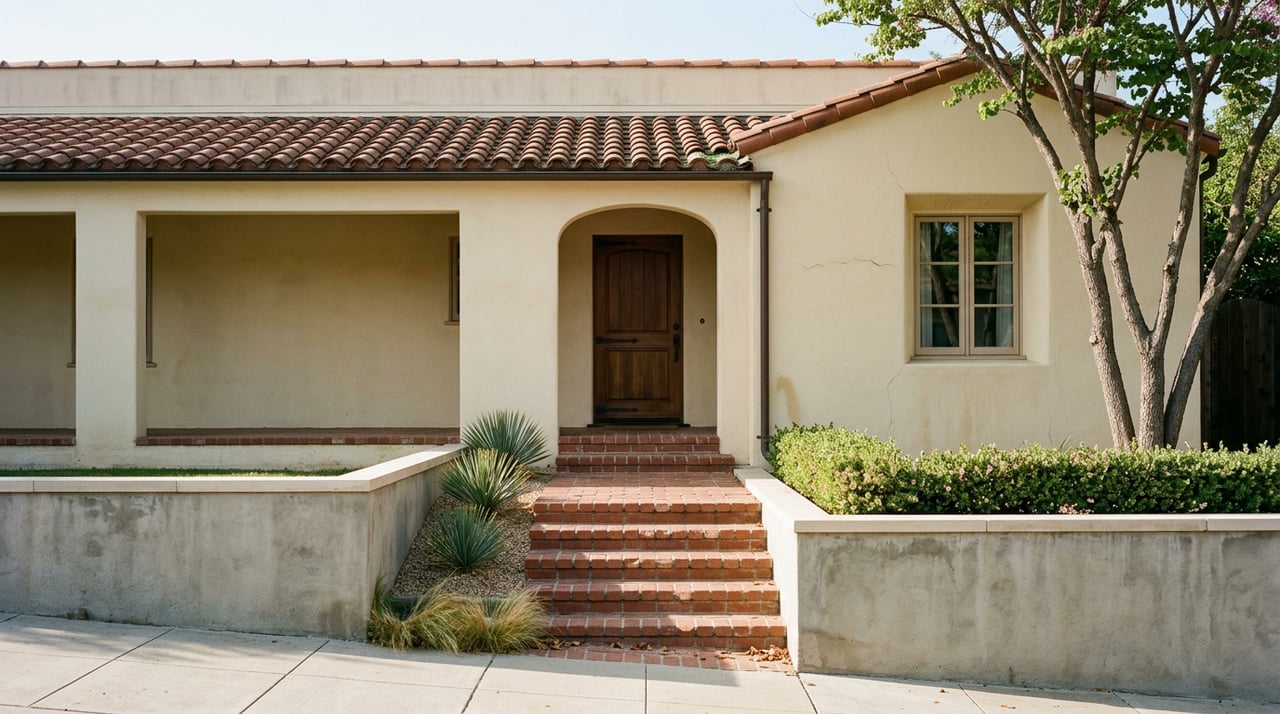
Spanish and Mediterranean Revival homes are present in Highland Park, but they appear to be a secondary layer rather than the neighborhood’s primary identity. National Park Service architectural guidance describes these styles as drawing from Spanish-Mexican and broader regional influences. A current Highland Park listing describing a 1920s home as Mediterranean architecture supports the idea that this design vocabulary does show up locally.
These homes often feature stucco walls, red tile roofs, round arches, and asymmetrical facades. You might also see smaller porches, pergolas, or covered entries that create a more shaded and inward-facing experience. Compared with a Craftsman, a Mediterranean-style home may feel calmer, more enclosed, and more focused on patio-style outdoor living.
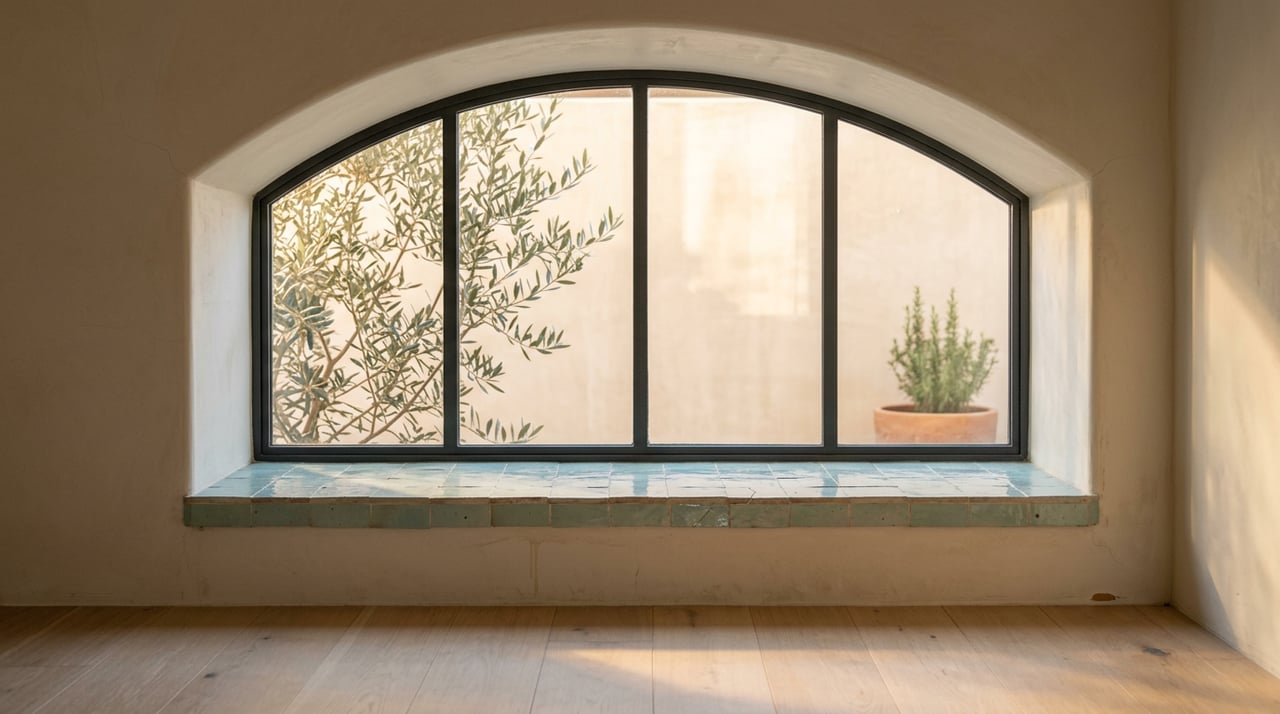
Spanish and Mediterranean homes often shape light differently than wood-heavy early bungalows. Arched openings, shaded entries, and stucco exteriors can create filtered daylight and a softer interior feel. If you enjoy indoor-outdoor entertaining, this style may offer a layout and atmosphere that naturally supports it.
Highland Park is not best understood as a cohesive mid-century neighborhood. The research points instead to isolated postwar homes, remodeled duplexes, and newer infill rather than a broad tract-style postwar buildout. That makes sense in a neighborhood that largely developed earlier.
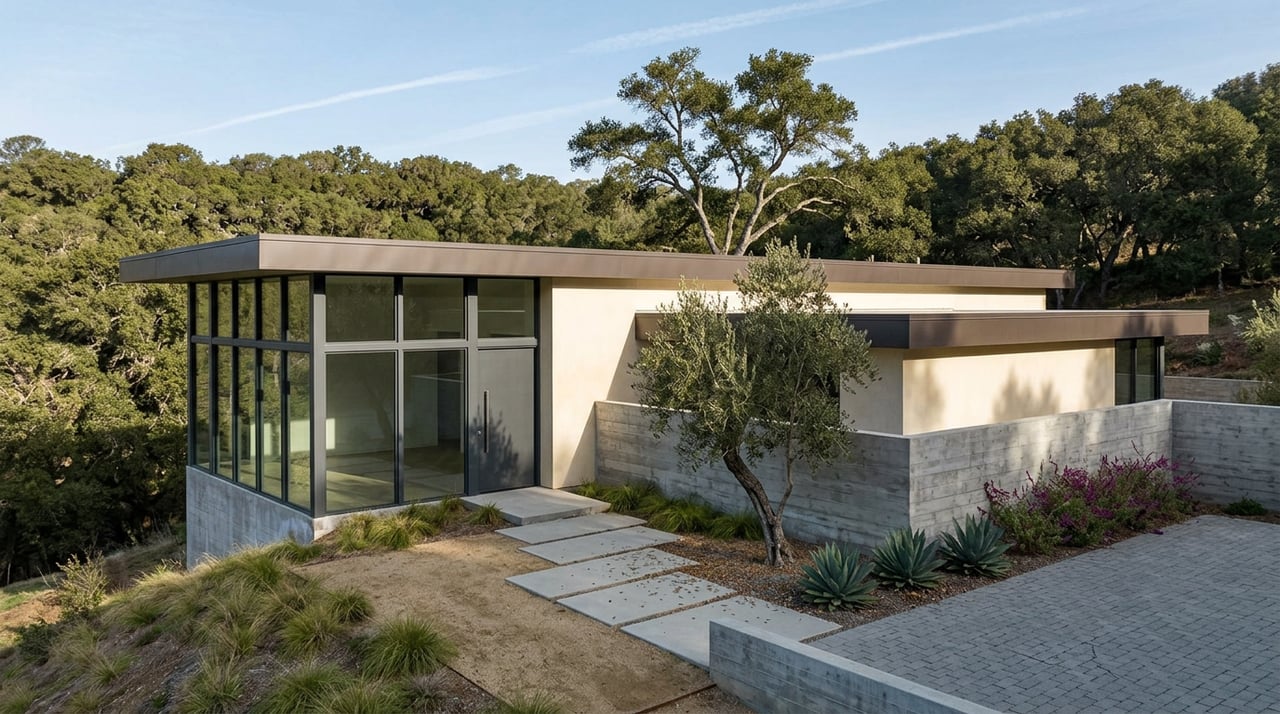
You may still come across homes with postwar ranch or modern features. These can include low-pitched roofs, more open plans, attached garages, larger windows, or remodels with contemporary finishes. In Highland Park, though, this newer layer tends to appear as individual exceptions rather than the rule.
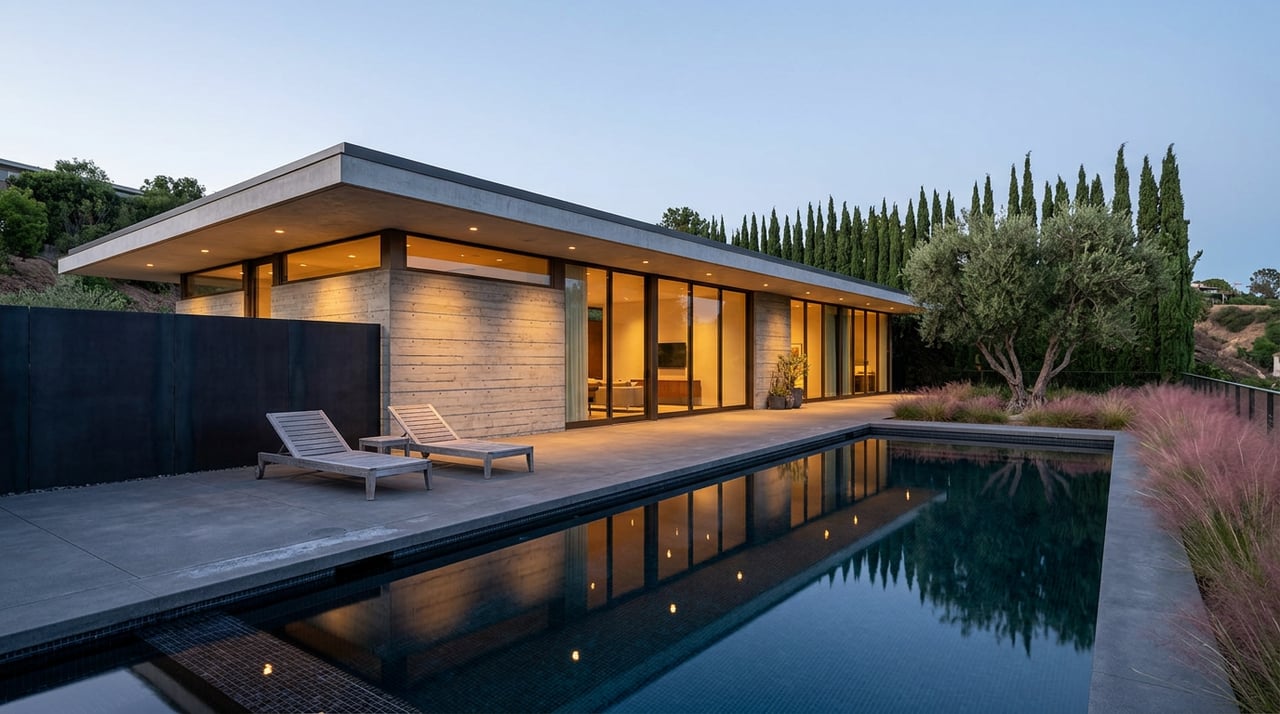
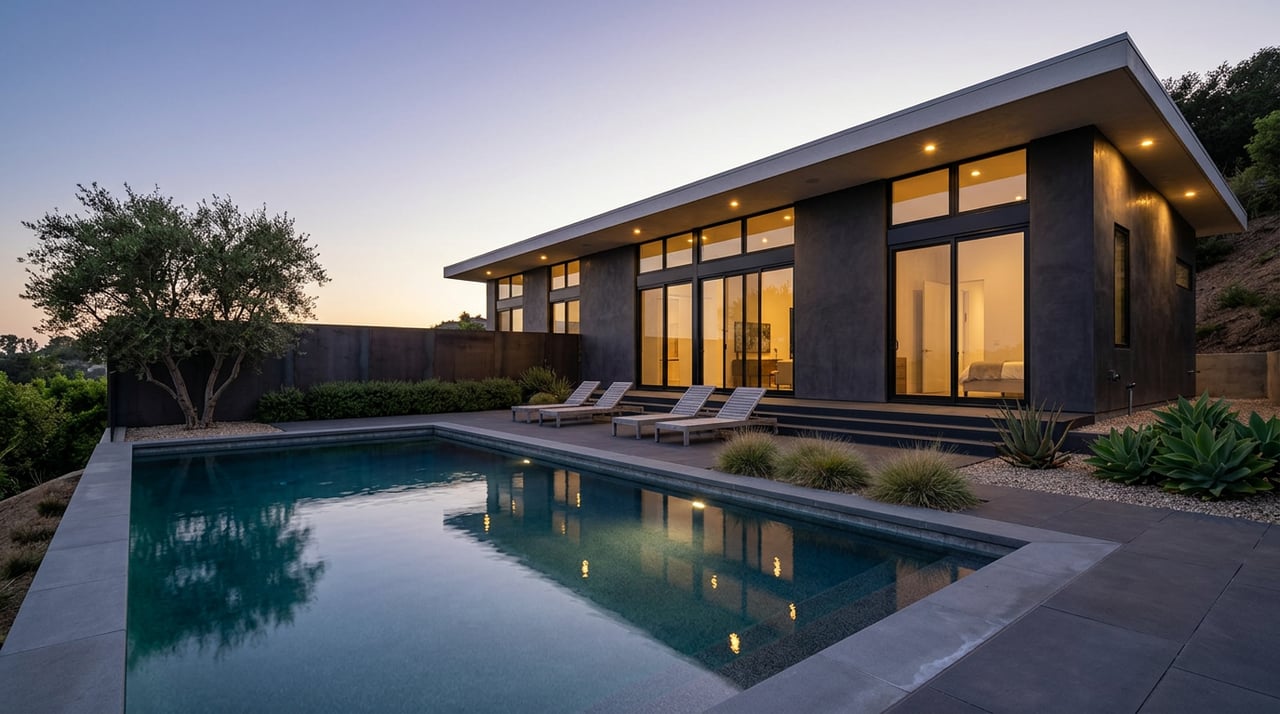
Mid-century and contemporary layouts can offer more openness and better indoor-outdoor flow. Larger expanses of glass can also bring in more natural light and stronger views. The tradeoff is that privacy, heat gain, and roof or drainage performance may deserve closer attention, especially on hillside lots.
Because Highland Park developed before the auto age, many homes sit on smaller early lots. That often means more modest yards, narrower setbacks, and a stronger relationship to the street. Front porches play a larger role here than they do in many later suburban neighborhoods.
If you are moving from a newer area, it helps to adjust expectations. You may get more architectural charm and a better sense of neighborhood texture, but less driveway space and fewer oversized outdoor areas. In some cases, garage or parking infrastructure may feel limited compared with modern standards.
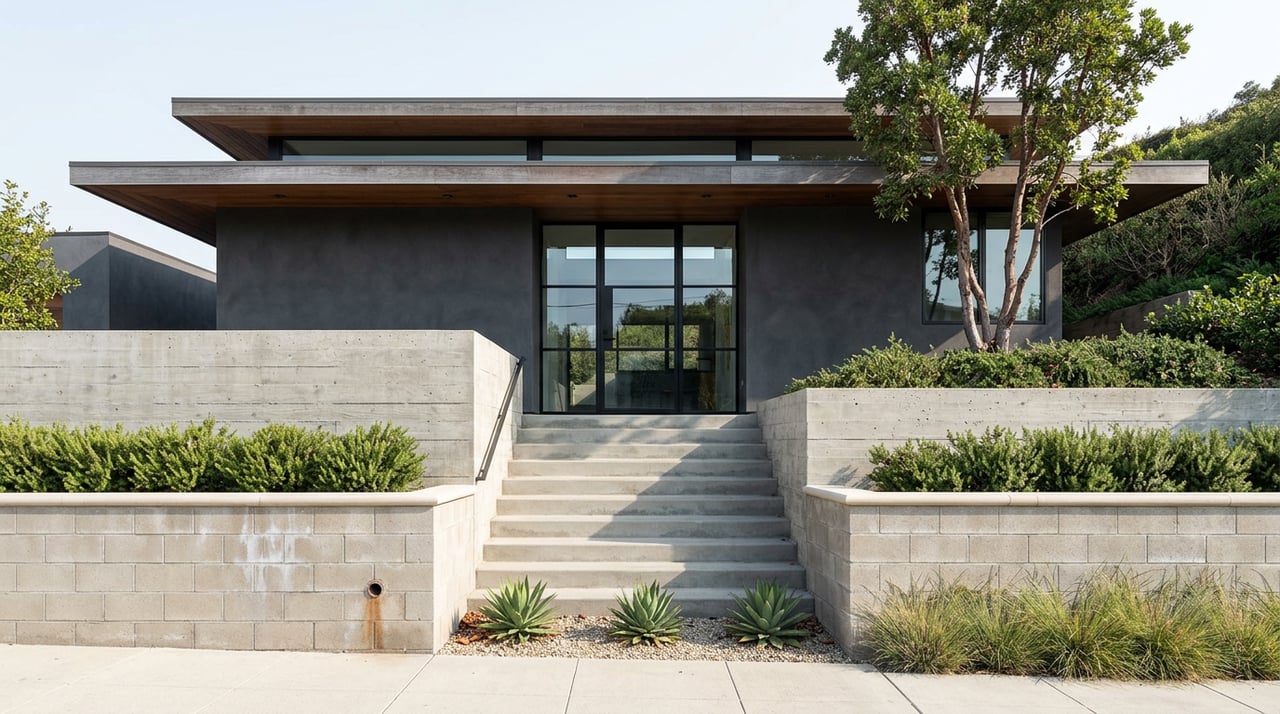
The neighborhood’s hilly terrain shapes the ownership experience too. Some streets include steep driveways and cement stair approaches, which can affect daily access, parking, and maintenance. These are not dealbreakers, but they are worth evaluating closely when you tour a property.
A home that feels charming from the curb can function very differently in practice depending on slope, drainage, and entry sequence. If a property sits above or below the street, pay attention to how you actually move from sidewalk or parking area to the front door.
If you are considering updates, Oakland’s rules are an important part of the conversation. The city states that exterior alterations and conversions to habitable space are subject to zoning review and building permits. Some simpler like-for-like window and door replacements, along with small additions that visually match the existing building, can be exempt from design review.
That distinction matters in Highland Park because many homes are older and have visible architectural character. A straightforward repair may be relatively simple, while a more visible addition or exterior change may require more planning. If a home has historic significance, city review can become even more important.
Oakland’s design standards for historic properties emphasize preserving existing features. The city specifically calls for additions to retain porch character, match roof forms and window orientation, and use compatible materials. Oakland’s preservation overview also notes that older properties may be affected by survey systems or designation pathways even if they are not formal landmarks.
For buyers and owners, the takeaway is simple: do not assume every exterior project will be treated the same way. If a home’s value is tied to its original character, that character may also shape what changes are practical and approvable.
In Highland Park, the biggest maintenance questions often start outside. Based on city design standards and preservation guidance, practical priorities usually include the roof, gutters and drainage, porches, windows, and wood trim. Those elements are often both functional and central to the home’s visual character.
On a hilly site, drainage deserves extra attention. Water movement, roof runoff, and how porches or stairs handle weather can have a real impact on maintenance costs over time. Even a beautiful home can become a more complex ownership experience if these basics have been deferred.
It is also wise to look closely at lot access. Steep driveways, stair entries, and limited off-street parking can affect convenience as much as square footage or finishes do. In a neighborhood like Highland Park, usability and architecture go hand in hand.
If you are trying to picture the neighborhood as a whole, start with Craftsman and Colonial Revival. That is the documented core of Highland Park’s housing stock. Victorian-era survivors, Spanish or Mediterranean accents, and newer remodels add variety, but they do not appear to define the neighborhood in the same way.
That mix is part of Highland Park’s appeal. You are not looking at a one-note development where every house follows the same template. Instead, you get an older Oakland neighborhood where architecture reflects different phases of growth, transit-era planning, and ongoing reinvestment.
If you want help evaluating Highland Park homes from both a character and due-diligence standpoint, Richard Evanns brings a practical, detail-focused approach to buying, selling, and investment decisions.
Stay up to date on the latest real estate trends.

Work with a professional who understands the rhythm of Los Angeles real estate. Richard brings dedication, strategy, and vision to help you achieve your property goals.