Looking for a neighborhood where you can grab coffee, enjoy a little local color, and make most days work on foot? If you want simple routines and streets that feel easy to navigate, Highland Park in Oakland offers a straightforward, residential pace. In this guide, you’ll learn how the neighborhood is laid out, what walkability looks like, and what the early-1900s homes mean for you as a buyer or seller. You’ll also get practical tips to explore it for yourself and make smart decisions. Let’s dive in.
Where Highland Park fits in Oakland
Highland Park is a small, primarily residential pocket of Oakland set just south of I-580. The neighborhood wraps around the Highland Hospital campus and sits on a compact grid of early-1900s cottages and modest bungalows. The hospital is a major local employer and a daily activity generator for the immediate area. You can get a quick snapshot of the area’s layout and history from this overview of Highland Park’s setting around Highland Hospital.
Walkability and daily rhythm
Highland Park has a neighborhood Walk Score in the mid-60s, which points to a balanced, everyday kind of walkability. You can expect to handle many daily needs on foot and enjoy short, practical strolls across the neighborhood’s compact blocks. The small-grid layout supports casual walking loops that make it easy to get fresh air without a big plan. For longer trips, you can layer in rideshares, bikes, or short drives.
What a walkable day can look like
- Start with a morning loop that takes you a few blocks in either direction. The grid makes it simple to vary your route.
- Plan a mid-day errand run on foot. A mid-60s Walk Score typically supports quick trips for basics within a moderate distance.
- In the evening, finish with a relaxed stroll to unwind, take a few turns, and head home without crossing major intersections.
Coffee, art, and close-to-home moments
In a compact residential pocket, the small-scale rhythm is the appeal. You can build a routine around short walks for coffee, casual meetups, and a quick breather between tasks. With the hospital nearby, the neighborhood sees consistent daytime movement, which adds to the lived-in feel on weekdays. If you enjoy noticing details, the early-1900s architecture gives you plenty to look at on a morning or evening walk.
Tips for enjoying the local vibe on foot
- Map your 15-minute radius. Note the streets you like most and where your go-to coffee stop would fit into your routine.
- Time your strolls. Walk at different hours to see how street activity changes between mornings, mid-days, and evenings.
- Keep it simple. Choose a few steady routes you enjoy and rotate them so walking becomes part of your daily flow.
Early-1900s cottages and bungalows: what to know
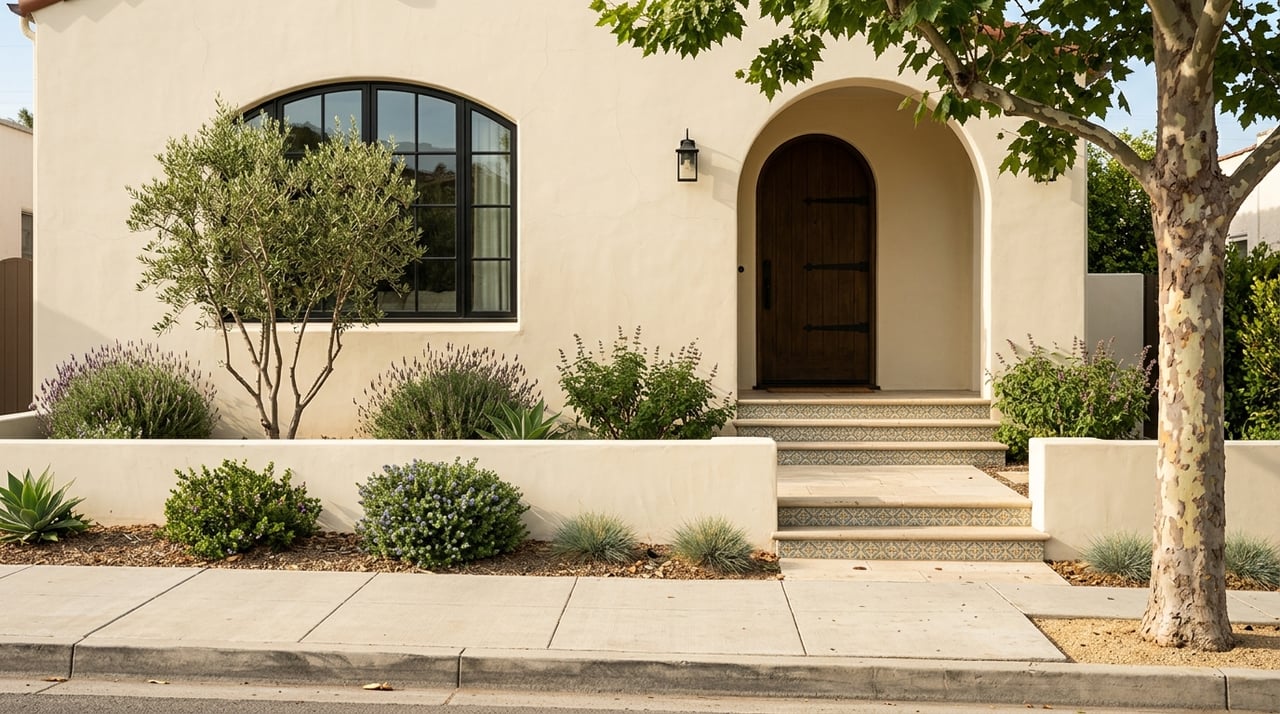
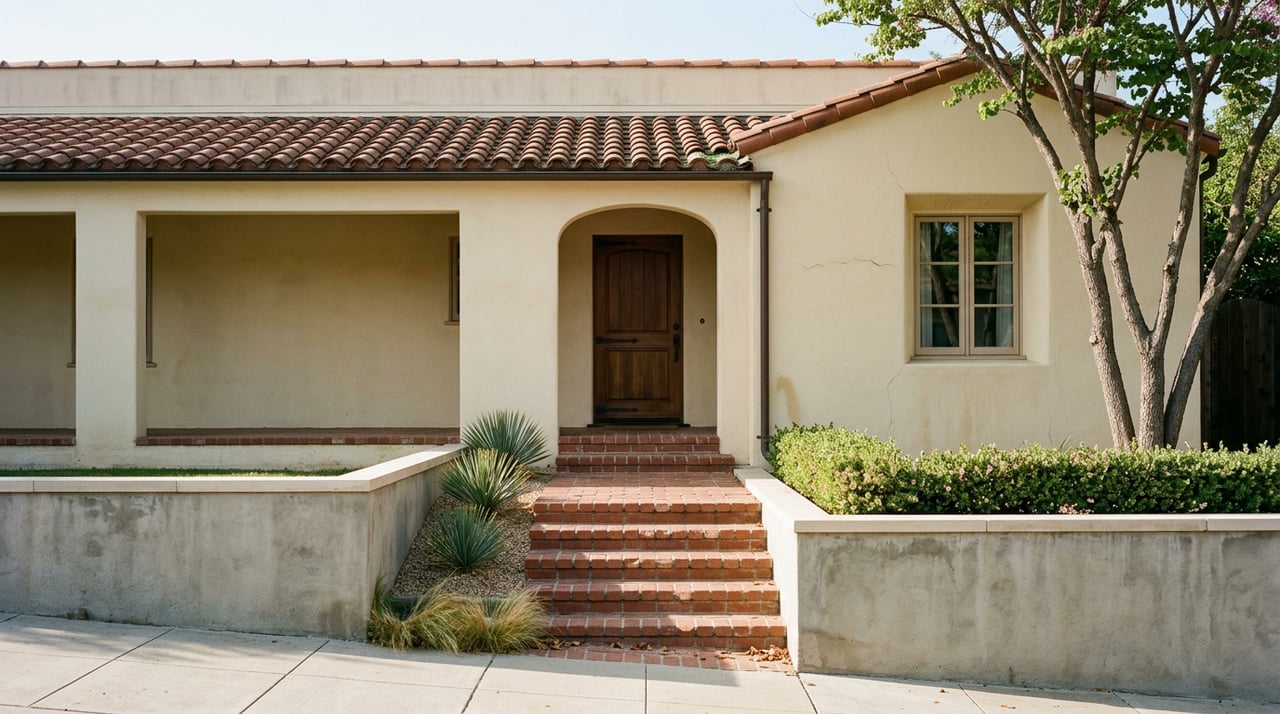
A big part of Highland Park’s character comes from its early-1900s cottages and modest bungalows. Older homes can offer charm and efficient footprints, but they also reward a bit of diligence. If you plan to buy, the right inspections and expectations will help you protect your budget and maintain comfort over time. If you plan to sell, targeted improvements can highlight period details and calm any buyer concerns.
Buyer checklist for older homes
- Structure and systems. Ask your inspector to focus on foundation, roof age, drainage, and electrical and plumbing updates.
- Seismic preparedness. In older California homes, determine whether any seismic retrofitting or bolting has been completed.
- Energy and comfort. Check window condition, insulation, and HVAC efficiency. A small footprint can be efficient with the right upgrades.
- Space planning. Early-1900s layouts often prioritize separate rooms. If you want more openness, ask a contractor for scope, cost, and permit needs.
Seller game plan to showcase character
- Pre-list tune-ups. Tackle exterior paint touch-ups, door hardware refreshes, lighting updates, and minor landscaping to frame the home.
- Staging for scale. Use right-size furniture to show flow in cozy rooms and make porches or entry nooks feel inviting.
- Disclosure clarity. Provide documentation for any electrical, plumbing, roof, or seismic work. Transparency builds buyer confidence.
Living near a major employer
Highland Hospital is a major local employer and daily activity driver for the neighborhood. That presence can shape weekday rhythms, with more movement around shift changes. For residents, it can also mean steady demand in the immediate area and a practical anchor for services close by. When you tour, note how proximity to the campus feels on the specific blocks you prefer.
Smart ways to evaluate location fit
- Visit at different times. Try morning, mid-day, and early evening to see how activity changes on your street of interest.
- Drive the perimeter. Learn the natural entry and exit routes you would use most, and consider how they connect to I-580.
- Consider your lifestyle. If you value predictable routines, pick a pocket with the right balance of quiet streets and weekday motion.
Getting around comfortably
With a Walk Score in the mid-60s, Highland Park supports everyday walking while leaving room for a hybrid approach to transportation. You can plan car-light living during the week and add wheels when errands stretch farther. The key is building a routine that suits your priorities.
Practical mobility tips
- Layer your modes. Combine walks with rideshares or quick drives for bigger grocery runs or weekend outings.
- Plan ahead. Keep a lightweight cart or backpack ready for on-foot errands so short trips are easy.
- Forecast your week. Group errands by direction so you can cover more in one trip and keep weekdays simple.
Who Highland Park fits
- You like compact blocks. A small-grid layout supports easy strolls and consistent routes.
- You appreciate older architecture. Early-1900s cottages and bungalows deliver charm and modest footprints.
- You want a grounded daily flow. Proximity to a major employer adds weekday movement without the intensity of a commercial district.
How to scout the neighborhood in one visit
A simple, focused visit can tell you a lot about how this pocket will feel day to day. Use this one-hour plan to get oriented and take notes you can compare on a second visit.
- Orient yourself along the hospital’s edge. Notice street width, sidewalks, and the pattern of weekday movement.
- Walk three to four blocks into the residential grid. Pay attention to home styles, front-yard care, and how the streets connect.
- Pause on a preferred corner. Listen for a few minutes and note the flow of people and cars at that time of day.
- Trace a loop back. Choose a slightly different route to see variation across parallel blocks.
- Journal on the spot. Capture what you liked, what you want to confirm on a second visit, and which streets felt most comfortable.
Buying or selling with a plan
If you are buying, align your search criteria with the neighborhood’s strengths. Target walkable pockets you enjoy, favor homes with solid structural updates, and budget for comfort-focused improvements over time. If you are selling, invest in clarity and presentation. Clean disclosures, right-size staging, and a few targeted tune-ups can help your early-1900s home shine and reassure buyers.
When you want a grounded, legally fluent strategy for your next move, connect with Richard Evanns for a straightforward plan you can trust.
FAQs
Is Highland Park in Oakland walkable for daily errands?
- The neighborhood posts a Walk Score in the mid-60s, which generally supports handling many daily errands on foot and using cars or rideshares for longer trips.
Where is Highland Park located within Oakland?
- It is a small residential pocket just south of I-580 that wraps around the Highland Hospital campus, set on a compact street grid.
What types of homes are common in Highland Park, Oakland?
- You will see early-1900s cottages and modest bungalows, which often feature efficient footprints and period details.
How does the Highland Hospital campus shape local life?
- The hospital is a major employer and daily activity generator, so you can expect more movement near the campus during weekday shift changes.
What should buyers of early-1900s homes consider in Highland Park?
- Focus inspections on structure and systems, ask about any seismic upgrades, and plan for comfort improvements like insulation and HVAC efficiency.