Inspections And Repairs On Older Silver Lake Homes: What To Expect
April 16, 2026
April 16, 2026
If you are shopping for an older home in Silver Lake, charm is usually easy to spot. The harder part is understanding what may be hiding behind the plaster, under the roofline, or in the permit file. In this guide, you’ll learn what inspections matter most, which repair issues tend to be negotiable, and where older Silver Lake homes can create extra risk before you remove contingencies. Let’s dive in.
Older housing is a major part of Silver Lake’s identity. According to the City Planning housing summary for the Silver Lake area, 50.8% of housing units were built in 1939 or earlier, and the median year structure built is 1940.
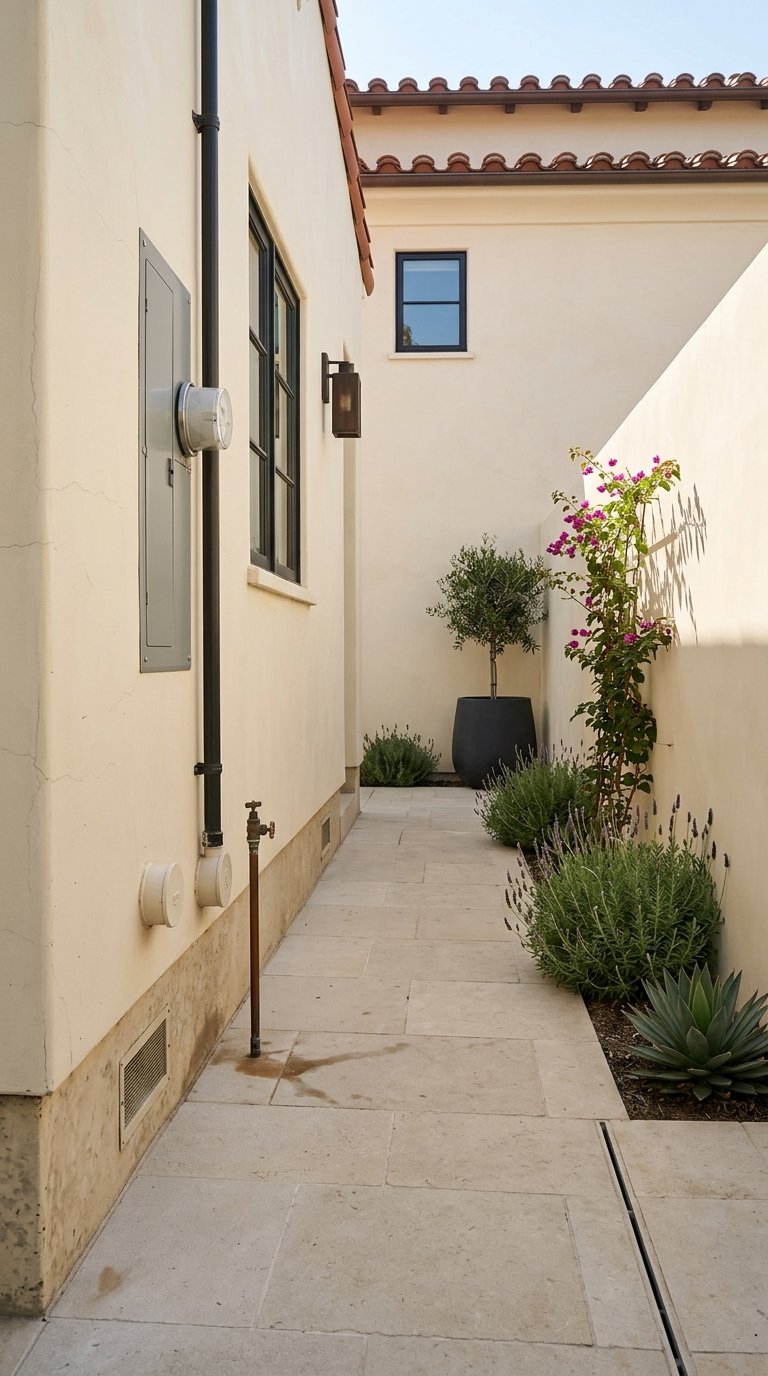
That matters because older homes often come with legacy electrical, plumbing, and structural systems. They may also include decades of repairs, remodels, or additions completed by multiple owners over time. In a neighborhood with hillside lots and architecturally distinct homes, the inspection process is not just about cosmetics. It is about confirming condition, legality, and future cost exposure.
The California Department of Real Estate advises buyers to evaluate a home’s electrical, plumbing, and structural integrity. A qualified inspector can also identify repair items that may become part of your negotiations with the seller.
For older Silver Lake homes, the core review usually includes the site, exterior, interior, structure, electrical, plumbing, and HVAC systems, consistent with HUD’s older-home inspection guidance. In practical terms, this means your inspection period should go beyond a general checklist and focus on the systems most likely to create expensive surprises.
Electrical review is one of the biggest priorities in an older home. The DRE notes that buyers should have electrical systems evaluated, and California Civil Code section 1102.6i, effective January 1, 2026, adds a disclosure advising buyers to have a qualified professional inspect electrical systems because faulty wiring can create fire risk and affect insurability.
If a home has aging wiring, outdated panels, or signs of prior amateur work, that issue can quickly move from routine maintenance to a financing or insurance concern. In many transactions, this is one of the first categories that deserves a specialist follow-up.
Silver Lake’s terrain changes the inspection conversation. HUD’s inspection framework covers site and structural conditions, and that is especially relevant where sloped lots, retaining conditions, roof drainage, and hillside foundations all affect long-term performance.
Some visible symptoms may seem minor at first. A stain, crack, or uneven surface may point to a larger drainage or structural issue. Because parts of Silver Lake include hillside homes and homes adapted to the terrain, you want to understand whether the issue is cosmetic, maintenance-related, or a sign that a structural expert should take a closer look.
Even when a home shows well, older plumbing systems can still be nearing the end of their useful life or may have been partially updated over time. A standard inspection can flag visible concerns, but older homes often need more targeted follow-up if there are signs of leaks, low pressure, drainage issues, or inconsistent prior repairs.
This is one reason the inspection window matters so much. If the general inspection raises concern, you still want time to bring in the right specialist before you decide whether to move forward, renegotiate, or cancel.
For homes built before 1978, lead-based paint disclosure rules may apply. The EPA explains the lead-based paint disclosure requirements, and it also notes that 87% of homes built before 1940 have some lead-based paint.
That does not mean every older Silver Lake home is unsafe to occupy. It does mean you should plan carefully if you expect to sand, repaint, replace windows, or complete other post-close repairs that could disturb older painted surfaces. If your purchase strategy includes immediate renovation, this becomes part of your budgeting and scheduling, not just a disclosure form.
Condition is only part of the story in older Silver Lake homes. The paper trail matters too.
The Los Angeles Department of Building and Safety states that required permits must be obtained before inspection, and work is not approved until it has been inspected and accepted. LADBS also makes property records available so buyers can research issued permits.
That means permit history should be part of your due diligence, especially if the home has a converted garage, reworked basement space, added bathroom, expanded kitchen, or any area marketed as recently improved. A polished remodel does not automatically mean the work was properly permitted or finalized.
California Civil Code section 1102.6h is especially relevant when a seller recently updated an older house. Under that statute, if a single-family property is sold within 18 months of the seller’s acquisition, the seller must disclose room additions, structural modifications, other alterations, or repairs, and provide copies of permits if they obtained them.
This can be helpful when a Silver Lake home is marketed as newly renovated but the documentation seems incomplete. If the work is recent, buyers should compare the seller’s disclosures, inspection findings, and permit history carefully.
Not every unpermitted space is automatically a dead end. Los Angeles City Planning explains the unpermitted dwelling unit process, noting that some units may be legalized if life-safety conditions are met and the property can move through the required city review.
But the key word is some. In practice, certain unpermitted spaces can be brought into compliance, while others may be costly or impossible to legalize. If part of the home’s value depends on extra square footage or a separate living area, you want clarity before you close, not after.
Some Silver Lake properties may fall within local historic districts or near historic resources. According to Los Angeles City Planning’s historic district project review guidance, properties in local historic districts or HPOZs can require additional review for exterior renovations, additions, new construction, and some exterior changes that do not even require a building permit, including certain landscaping and paint changes.
For buyers, this matters because the repair path may be more complex than expected. A project might need both standard building approval and preservation review. If your plan is to make exterior changes soon after closing, this should be investigated early.
There is no official statutory list of deal-breakers, but in real transactions, the biggest problems are the ones that affect safety, habitability, insurance, financing, or legal status.
In an older Silver Lake home, the issues most likely to stop a deal are usually:
These problems do not always mean a transaction must fail. They do mean you should slow down, gather better information, and make a decision based on facts rather than momentum.
By contrast, many ordinary repair items are negotiable. Deferred maintenance, isolated roof repairs, plumbing corrections, finish-level fixes, and smaller system updates often become part of a credit, repair agreement, or price reduction discussion.
California disclosure rules also help buyers here. Civil Code makes clear that waiving the article’s disclosure requirements is void as against public policy, and those disclosure duties do not disappear just because a property is marketed “as-is.” In practical terms, an as-is sale does not prevent you from using inspections and disclosures to negotiate while your contingency is still open.
The DRE contract guide describes the typical California process: you investigate the property during the contingency period, request repairs or other action if needed, and then decide whether to proceed if the seller will not agree.
A separate California REALTORS buyer repair guide notes that buyers should provide inspection reports with the repair request, and that sellers may respond with a credit or price reduction instead of performing the work themselves.
When older-home issues show up, clarity matters. A strong request usually:
This is usually cleaner than vague language or side conversations. It also reduces confusion when you complete your final verification of condition before closing.
The DRE notes that a typical California contract gives the buyer about 17 days to inspect and investigate, including insurability. For older Silver Lake homes, that period can move fast.
If the first inspection raises concerns, your next step may be a roof specialist, structural engineer, sewer inspection, permit research, or historic-district review. The goal is not to over-inspect. The goal is to get answers early enough to make a confident decision while your options are still open.
Even a well-bought older home will usually need ongoing upkeep. Fannie Mae recommends setting aside cash reserves for ownership costs and suggests a rule of thumb of 1% to 4% of the home’s value per year for maintenance, repairs, and replacements.
For an older Silver Lake property, it is smart to budget toward the higher end if the inspection reveals deferred maintenance, aging systems, or permit cleanup. It also helps to separate your budget into a few simple buckets:
That framework makes it easier to protect your cash for the items that matter most first.
If you are evaluating an older Silver Lake home, the right strategy is not to fear the inspection process. It is to use it well. With a careful review of systems, permit history, disclosures, and likely repair paths, you can make a sharper decision and avoid inheriting problems you did not price in. If you want a practical, detail-driven second set of eyes on a Silver Lake purchase, connect with Richard Evanns for a strategy call.
Stay up to date on the latest real estate trends.




Work with a professional who understands the rhythm of Los Angeles real estate. Richard brings dedication, strategy, and vision to help you achieve your property goals.