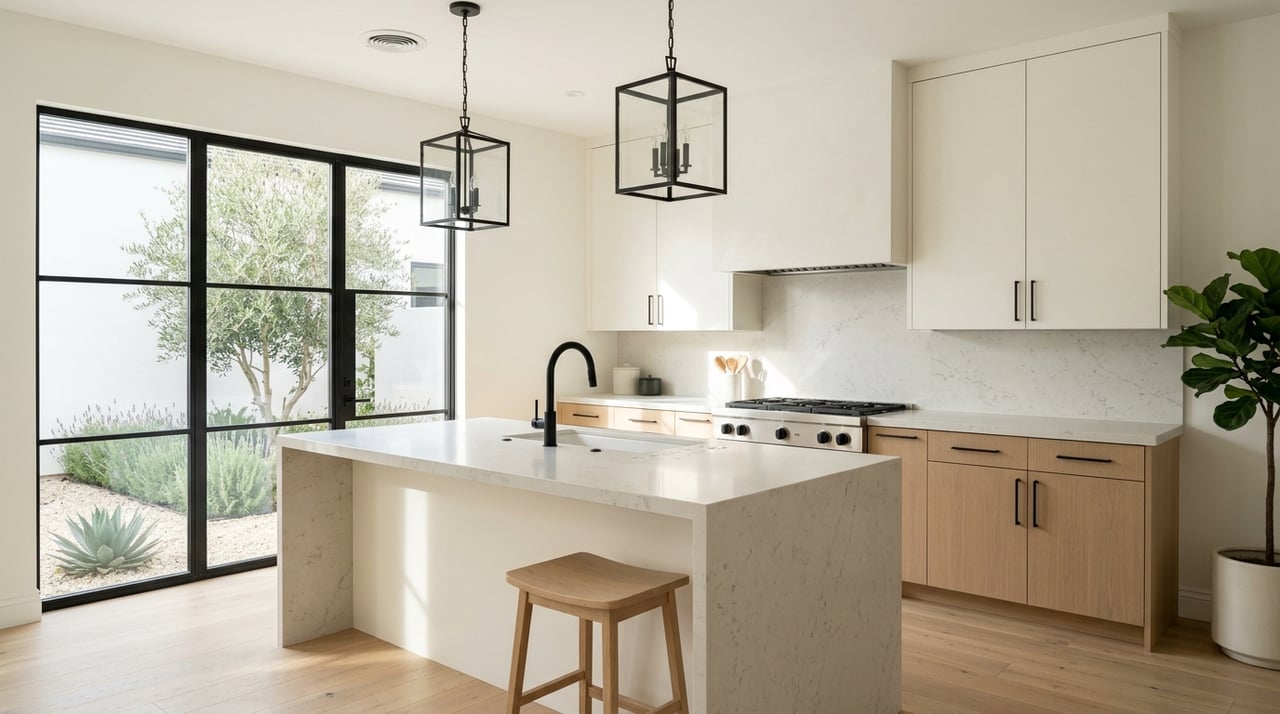
Your Glendale Listing Preparation Checklist Before Sale
April 2, 2026
April 2, 2026
Getting your Glendale home ready to sell is not just about fresh paint and good photos. In a city with an older housing stock, layered permit history, and local rules that can affect everything from fire-zone disclosures to tenant planning, the smartest move is to handle the legal groundwork before you touch the cosmetics. If you want fewer surprises, a smoother escrow, and a stronger listing launch, this guide will walk you through the must-dos in the right order. Let’s dive in.
One of the biggest mistakes sellers make is assuming an "as is" sale reduces what they need to disclose. In California, it does not. Under the state's transfer disclosure rules, those duties cannot be waived in an "as is" sale, and a seller who willfully or negligently fails to comply can be liable for actual damages, according to the California Civil Code disclosure provisions.
That matters in Glendale because many homes have long ownership timelines, older systems, and past improvements that may need to be documented clearly. If your sale is accepted on or after July 1, 2024, California also requires disclosure of contractor-performed room additions, structural modifications, alterations, or repairs completed since you took title, along with the contractor name and any permits obtained.
California has also added 2026 disclosure items that make pre-listing prep even more important. These include guidance related to electrical-system inspection, gas-powered appliance replacement restrictions, and smoking-residue history. Even if your listing date is still ahead, it is smart to gather records now so you are not scrambling during escrow.
Before you decide what to repair, replace, or market as an upgrade, verify what the city has on file. Glendale's Property Information Portal and permit records resources allow searches by address, APN, or permit number and can show permit history, zoning information, and historic information.
The city notes that the portal includes planning, building, fire, and city-clerk cases and permits from 2005 onward, although not all completed cases are online. That means older Glendale properties may require more digging, especially if you are trying to confirm past additions, system upgrades, or alterations before listing.
This step is especially useful in Glendale because the city's public-review draft housing element says 63.4% of housing units were built before 1970 and 30.6% before 1950. In practical terms, that means it is reasonable to expect more pre-listing due diligence in Glendale than in a newer market.
If you have an enclosed patio, added bath, converted garage area, or other improvement completed years ago, do not assume the paperwork is complete. Pull records first, compare them to the home's current condition, and identify any gaps before your home hits the market.
This is not only about compliance. It also helps you avoid overpromising in marketing remarks and gives buyers clearer answers when they ask about square footage, alterations, or who completed the work.
For sellers, the goal is simple: know what you have, know what is documented, and know what needs explanation. That level of preparation can reduce renegotiation risk once buyer inspections begin.
In some Glendale areas, pre-sale improvements may be affected by historic review rules. According to the city's historic preservation guidance, once a property is on the Glendale Register of Historic Resources, proposed alterations, repairs, and demolitions must be approved by the Community Development Department and/or the Historic Preservation Commission.
The city also notes that the Historic District Overlay Ordinance governs review in official historic districts, and the Demolition Review Ordinance applies to proposed demolitions of properties over 30 years old that are not part of a development project. If your home is older or located in an area with preservation oversight, check this before scheduling exterior work, window replacement, or more extensive pre-sale updates.
If your Glendale home was built before 1978, federal law requires lead-based paint disclosure before contract signing. That includes any known records, the EPA/HUD pamphlet, and an opportunity for the buyer to inspect, as outlined by the EPA's lead-based paint disclosure rule.
This also affects your prep strategy. If you plan renovation, repair, or painting work that disturbs painted surfaces in a pre-1978 home, the EPA advises using a lead-safe certified contractor.
That point is easy to overlook when you are trying to move fast before listing. But in an older Glendale housing stock, paint prep is not just cosmetic. It can also be a health and compliance issue.
If your property is in a High or Very High Fire Hazard Severity Zone, there is another important pre-listing step. Glendale's AB 38 disclosure page explains that defensible-space compliance documentation is required in these zones.
The city's page also states that since July 1, 2025, sellers in those zones must disclose the availability of fire-resistant retrofits, whether those retrofits were completed during ownership, and certain structural vulnerabilities. Examples include single-pane windows, combustible materials near the home, and missing ember-resistant details.
For sellers in the hills or other fire-prone areas, this is a good reason to review the property early, collect any retrofit records, and understand what condition issues may need to be addressed or disclosed.
If you are selling a condo or townhome, start your HOA document collection well before listing. Under California Civil Code 4525, the resale package can include governing documents, assessment and fee information, unpaid amounts, fines or penalties, unresolved violation notices, defect materials, the latest inspection report, notice of approved assessments not yet due, rental restrictions in the governing documents, and board minutes on request.
That is a lot of paperwork, and delays here can slow down a transaction. If your home is in an HOA, one of the best pre-listing moves you can make is ordering and reviewing the package early so you know what buyers will see.
If the property is tenant-occupied, do not treat vacancy planning as a last-minute detail. Glendale's Rental Rights Program FAQ explains that the program includes just-cause eviction rules, a right-to-lease requirement that generally calls for one-year leases for new tenants and when implementing rent increases, and relocation assistance if a rent increase exceeds 7%.
The FAQ also lists exemptions, including single-family homes, condominiums, townhouses, and some small multi-unit parcels. Still, if you are selling an occupied property, it is important to review how notices, lease terms, timing, and any relocation strategy may affect your sale plan before the home is marketed.
Once the legal and records side is underway, you can shift to presentation. The strongest cosmetic prep is usually simple, visible, and tied to how buyers experience the home in person and online.
According to the National Association of Realtors 2025 staging snapshot, 83% of buyers' agents said staging makes it easier for a buyer to visualize the property as a future home. The most commonly staged rooms were the living room, primary bedroom, and dining room.
For many Glendale sellers, that supports a focused prep budget rather than a scattered one. Start with:
This kind of work can sharpen first impressions without pushing you into unnecessary projects. It also pairs well with professional marketing and photography.
On older homes, cosmetic updates should be planned with safety in mind. If paint-disturbing work is involved in a pre-1978 property, the EPA's renovation, repair and painting guidance reinforces the need for lead-safe handling.
That is one reason Glendale sellers benefit from gathering invoices, repair notes, and inspection details as work is completed. With newer disclosure items bringing more attention to electrical systems, gas appliances, and prior work history, organized records can make your listing package much stronger.
A realistic pre-listing timeline can keep you from compressing important decisions into the final week. Based on Glendale's records tools, California disclosure rules, and local fire- and rental-related requirements, this sequence is a practical way to prepare:
In Glendale, pre-sale prep works best when you treat it as both a compliance project and a marketing project. The legal side protects you from avoidable surprises. The cosmetic side helps buyers connect with the home.
When you do the records and disclosure work first, you can make smarter decisions about where to spend money, what to fix, and how to position the property honestly and effectively. That usually leads to a cleaner launch and better leverage once offers start coming in.
If you are preparing to sell in Glendale and want a more strategic, low-friction plan, Richard Evanns can help you map the disclosures, records, prep work, and market-facing presentation before your home goes live.
Stay up to date on the latest real estate trends.






Work with a professional who understands the rhythm of Los Angeles real estate. Richard brings dedication, strategy, and vision to help you achieve your property goals.