Should You Buy A Hillside Home In Silver Lake?
March 12, 2026
March 12, 2026
You fall in love with the view first. Then you notice the steps, the slope, the question of permits and what it takes to keep everything secure when the rain really comes. If you are weighing a hillside home in Silver Lake, you are smart to slow down and get methodical. In this guide, you will learn the key rules, inspections, costs, and risk checks that help you buy with confidence. Let’s dive in.
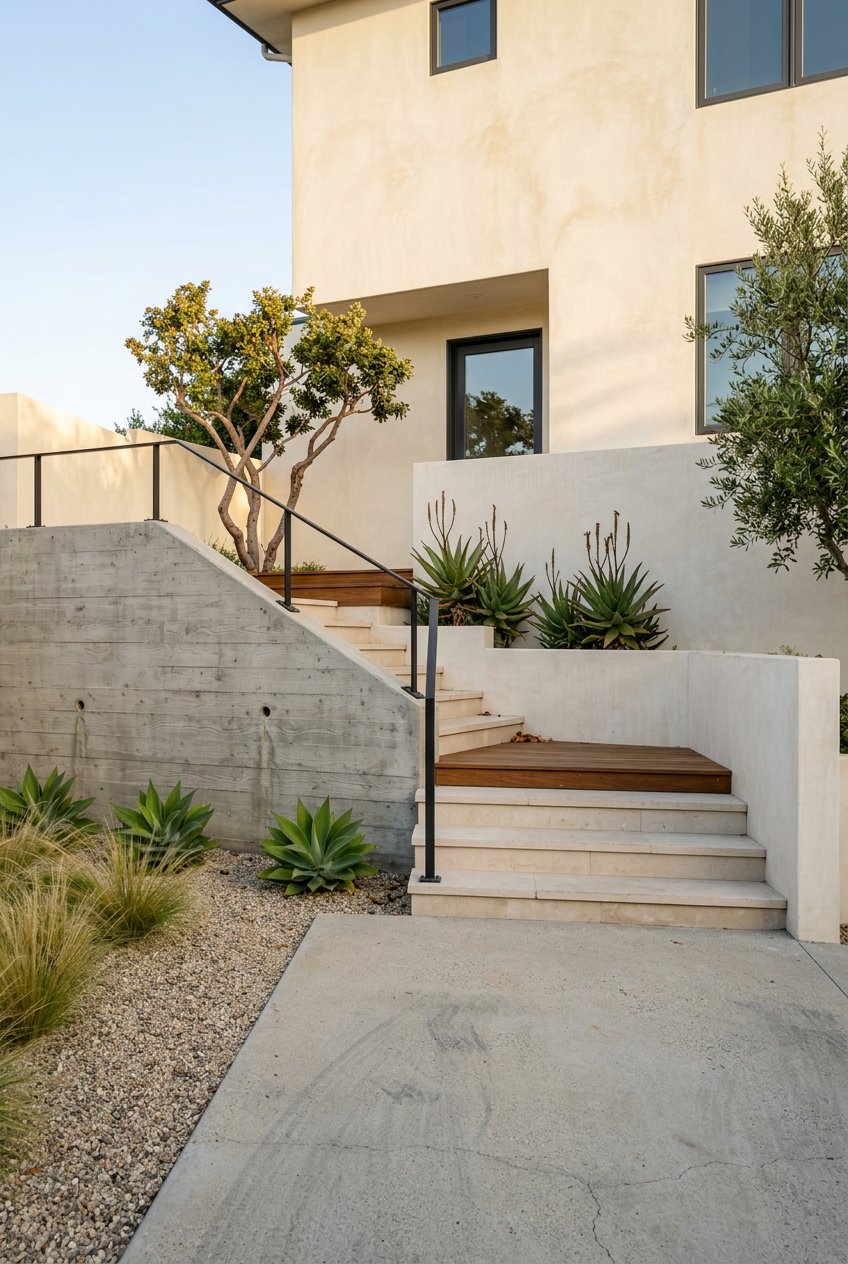
Hillside homes in Silver Lake deliver the classic trade-offs: sweeping views, privacy, and striking architecture paired with trickier access, parking challenges, long exterior stairs, and higher engineering and maintenance needs. Weather and water management matter more on a slope. Events like a 2014 dirt flow in Silver Lake underline why drainage, retaining walls, and permit history should be part of your early review. If you plan ahead, you can enjoy the upside while managing the risk.
The City of Los Angeles applies special hillside standards through the Baseline Hillside rules in the Los Angeles Municipal Code. These address setbacks, grading limits, and access in mapped Hillside Areas. Grading by right is capped, and larger cuts or fills usually trigger LADBS Grading Division review with soils and geology reports. These limits can shape what you can build, add, or regrade on a lot.
Retaining systems are tightly regulated. Under Ordinance No. 176,445, many hillside lots are limited to either one vertical wall up to 12 feet or two stepped walls up to 10 feet each, subject to spacing, landscaping, and other code conditions. If a yard relies on tall or multiple walls, expect plan check scrutiny for any replacements or after-the-fact permits.
Emergency access standards apply more strictly on hillside streets. Substandard widths, steep approaches, or limited turnarounds can affect approvals for additions or major remodels. If a property sits on a narrow road or has a challenging driveway, factor in potential design changes and longer timelines at plan check.
Before you fall for the view, confirm the map overlays. Use City Planning’s ZIMAS and Hillside Area mapping guidance to see if the lot is inside a designated Hillside Area, a special grading area, or a Very High Fire Hazard Severity Zone. These flags trigger extra submittals and clearances with Planning and LADBS.
On sloped sites, a geotechnical report is the foundation of sound decisions. LADBS often requires soils and engineering geology documentation for hillside work, including borings, lab tests, and slope-stability analysis. The LADBS Grading Division reviews these reports and typically requires observation records during construction. Expect this to be a gating item for major remodels and any site regrading.
Water is the usual culprit when hillside systems fail. Common issues include missing or clogged subdrains, poor backfill compaction, and undocumented old fills. A technical bulletin on retaining walls in hillside settings outlines best practices like subsurface drainage, engineered compaction, and proper foundation design. When you tour, look for weep holes, positive drainage to a safe outlet, and consistent wall alignment.
You do not need to be an engineer to spot signs that warrant a deeper look. New or widening cracks in walls or paving, sticking doors or windows, slumping soil, fresh seepage after storms, or tilted fences and trees deserve attention. If you see these, instruct your inspector to recommend a geotechnical and structural evaluation before you remove contingencies.
California law requires a Transfer Disclosure Statement and a Natural Hazard Disclosure when applicable. The NHD must call out overlays such as mapped landslide or liquefaction zones and Very High Fire Hazard Severity Zones. See California’s Transfer Disclosure Statement and Natural Hazard Disclosure for the statewide framework these forms follow.
Standard homeowners policies often exclude earth movement, and flood is separate. After major wildfires, some debris-flow scenarios may receive different treatment. Review the California Department of Insurance’s recent guidance on mudslide and debris flow coverage after wildfire and obtain early written quotes for homeowners, earthquake, and any specialty coverage. Early insurance checks help you understand premiums and insurability before you commit.
Unpermitted grading, walls, or foundation work can slow or stall escrow. Lenders and title teams often ask for permit records, final inspection signoffs, and engineer letters for major site improvements. A clean paper trail reduces friction. Ask for permit history and supporting reports at the offer stage, or as an early escrow deliverable.
Follow these steps to protect your position and budget accurately.
If you love Silver Lake’s views and design vernacular, a hillside home can be a fantastic long-term asset. The key is to buy like a builder: verify permits, rely on geotechnical and structural expertise, and pressure-test insurance and lender requirements up front. With clear eyes on scope, timelines, and budget, you can focus on design, light, and that city-meets-reservoir outlook.
If you want an advisor who blends attorney-level contracts with practical, investor-minded execution, let’s talk. We help you source records, coordinate specialty inspections, and negotiate toward a clean, confident close. Schedule a strategy call with Richard Evanns to map your best path in Silver Lake.
Stay up to date on the latest real estate trends.




Work with a professional who understands the rhythm of Los Angeles real estate. Richard brings dedication, strategy, and vision to help you achieve your property goals.